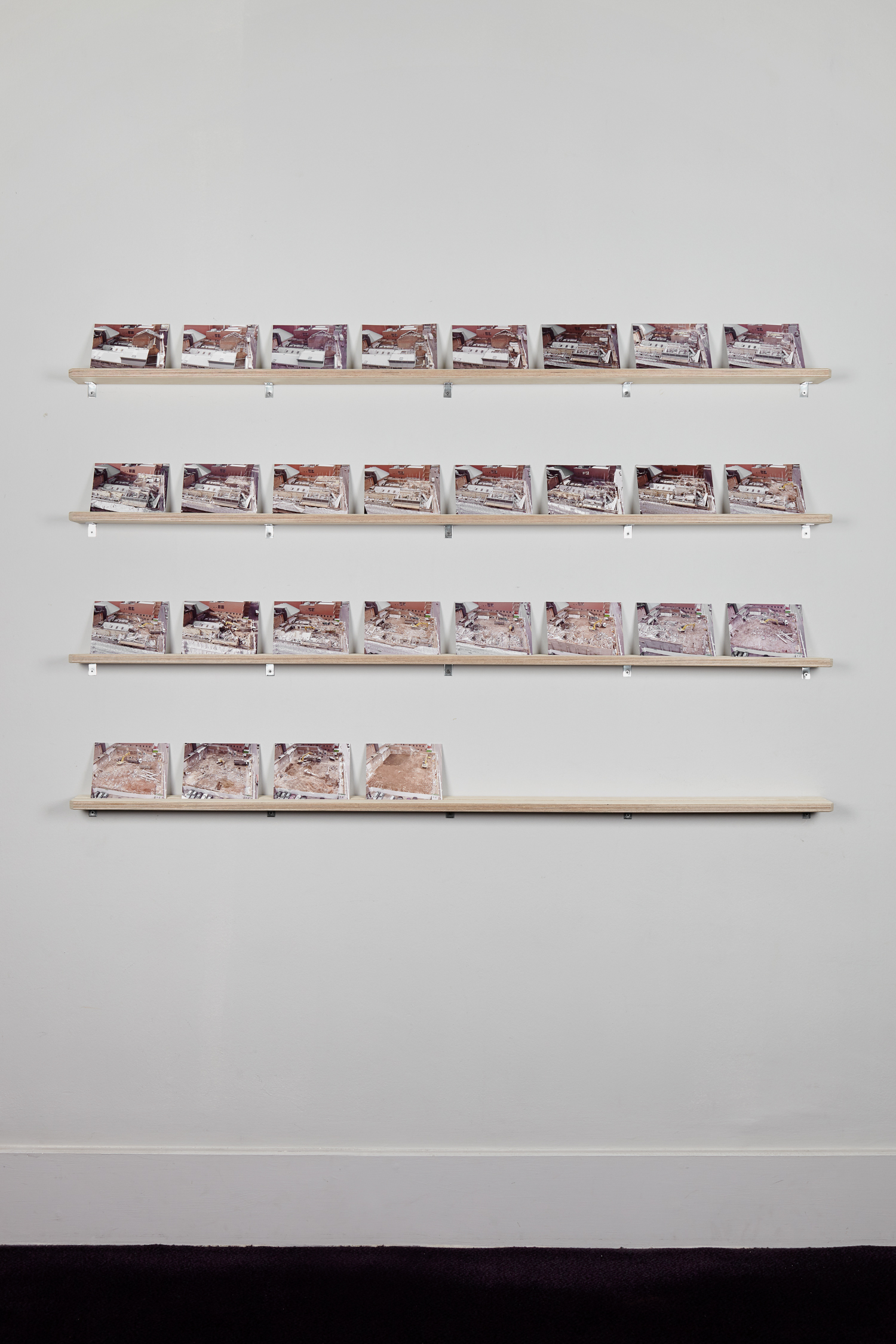
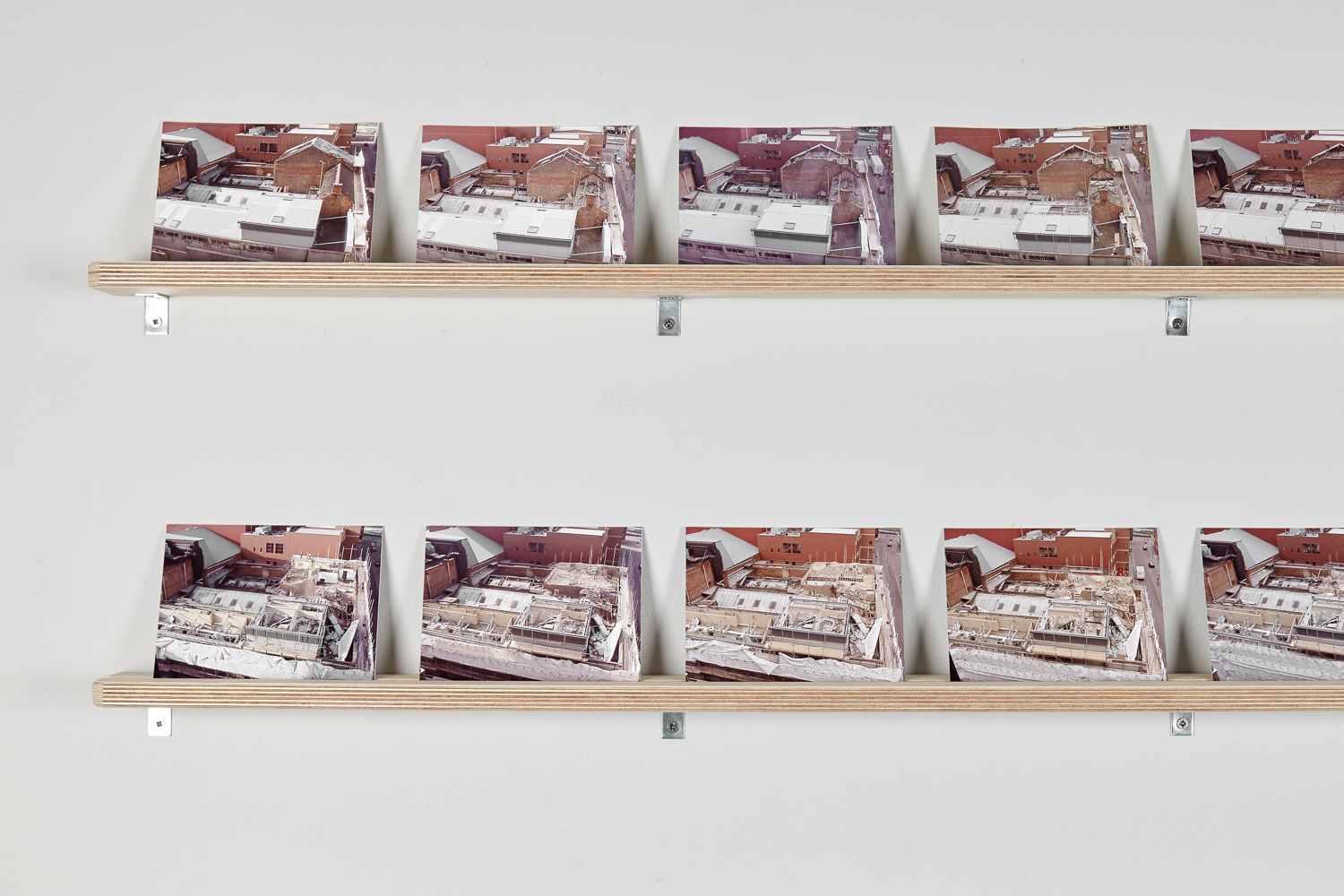
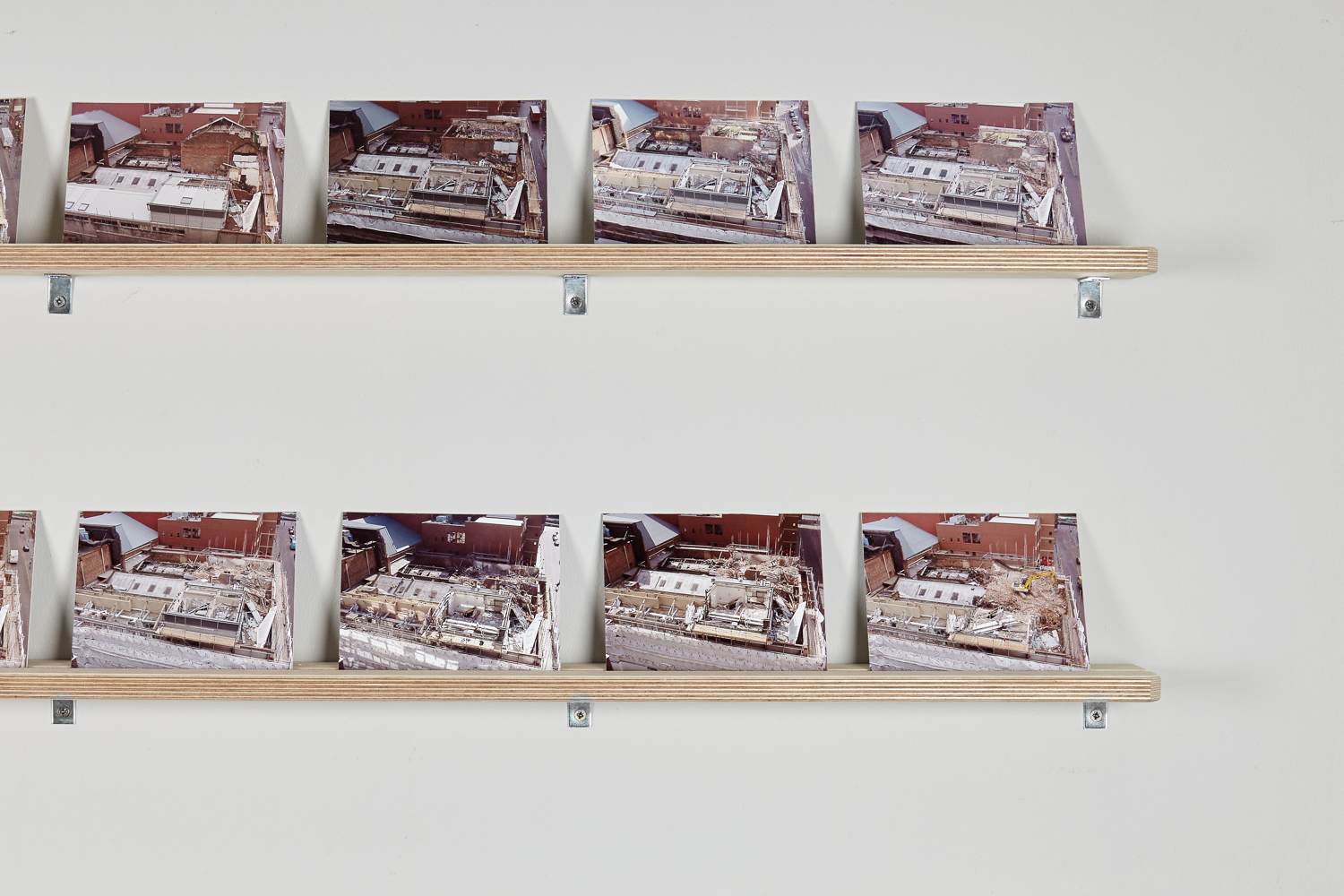
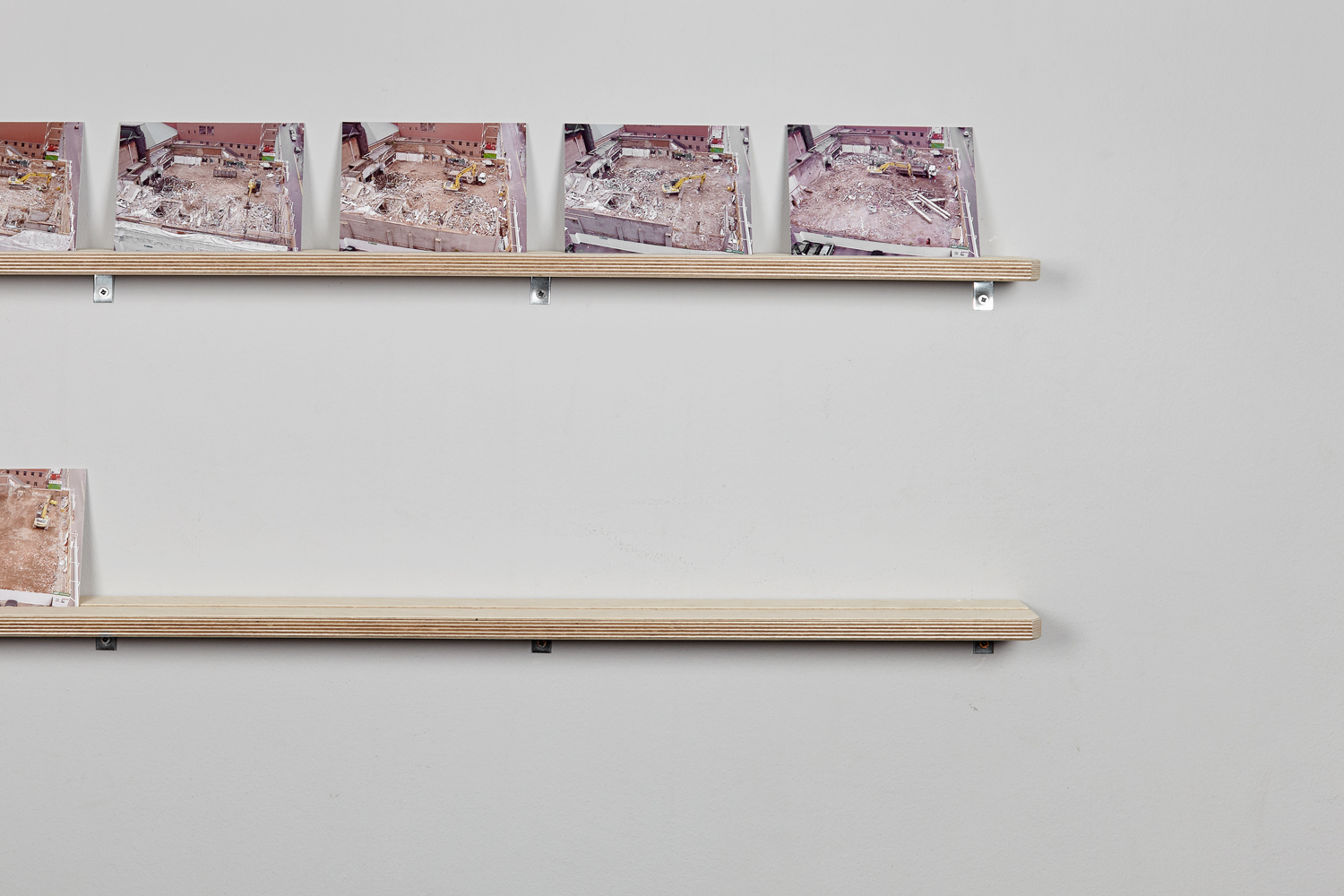
Birmingham Hippodrome
15 Sep – 14 Nov 2020
“From my understanding, the Hippodrome wanted that place so bad for a long time because it was ideal for them, you know? And we basically said ‘no, you’re not having it’. I wasn’t privy to how much they charged because we were members committee not general committee, but they wanted it for years but we said ‘no, no, no, no’.” – Angela Gilraine, The Nightingale Club’s first female Director
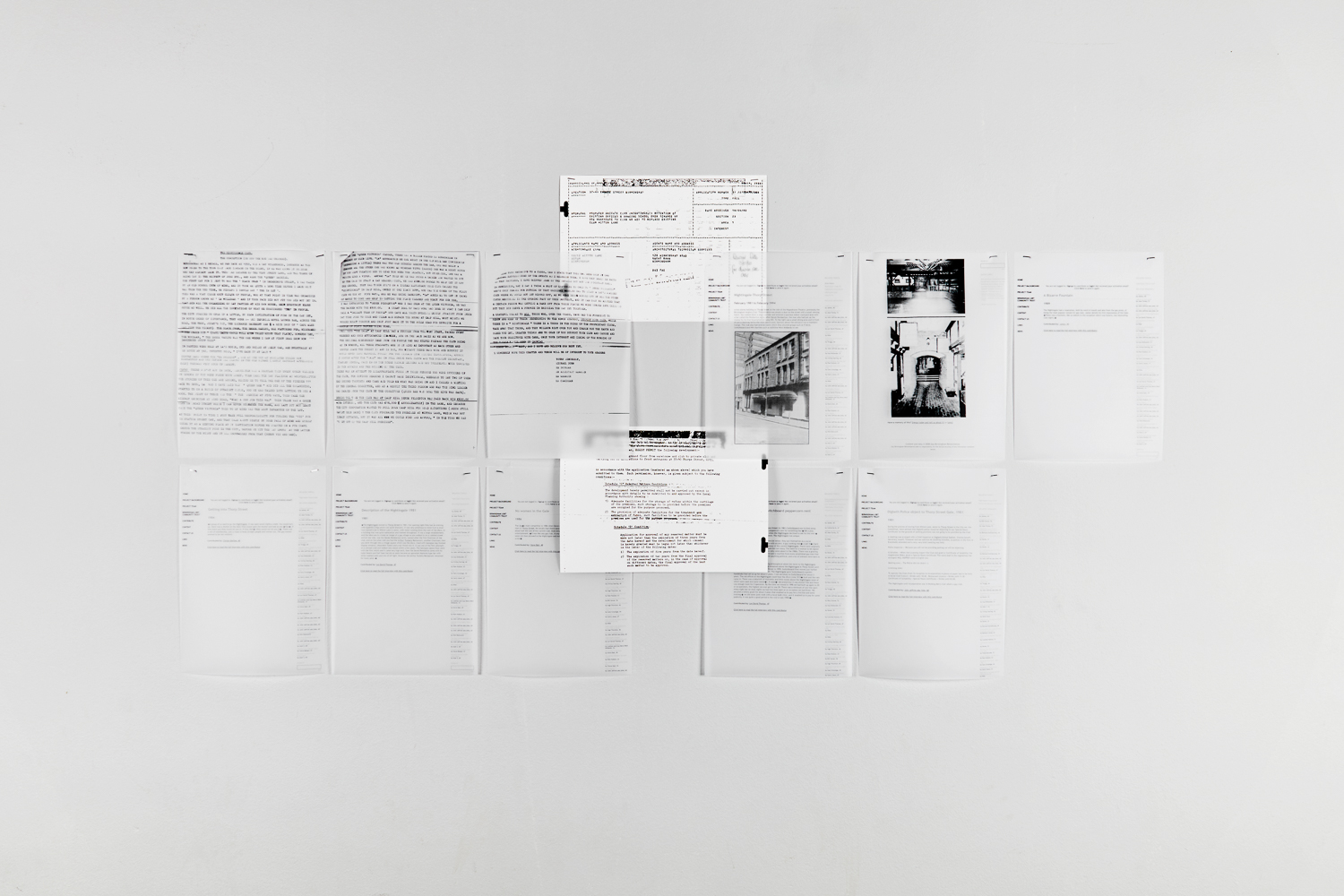
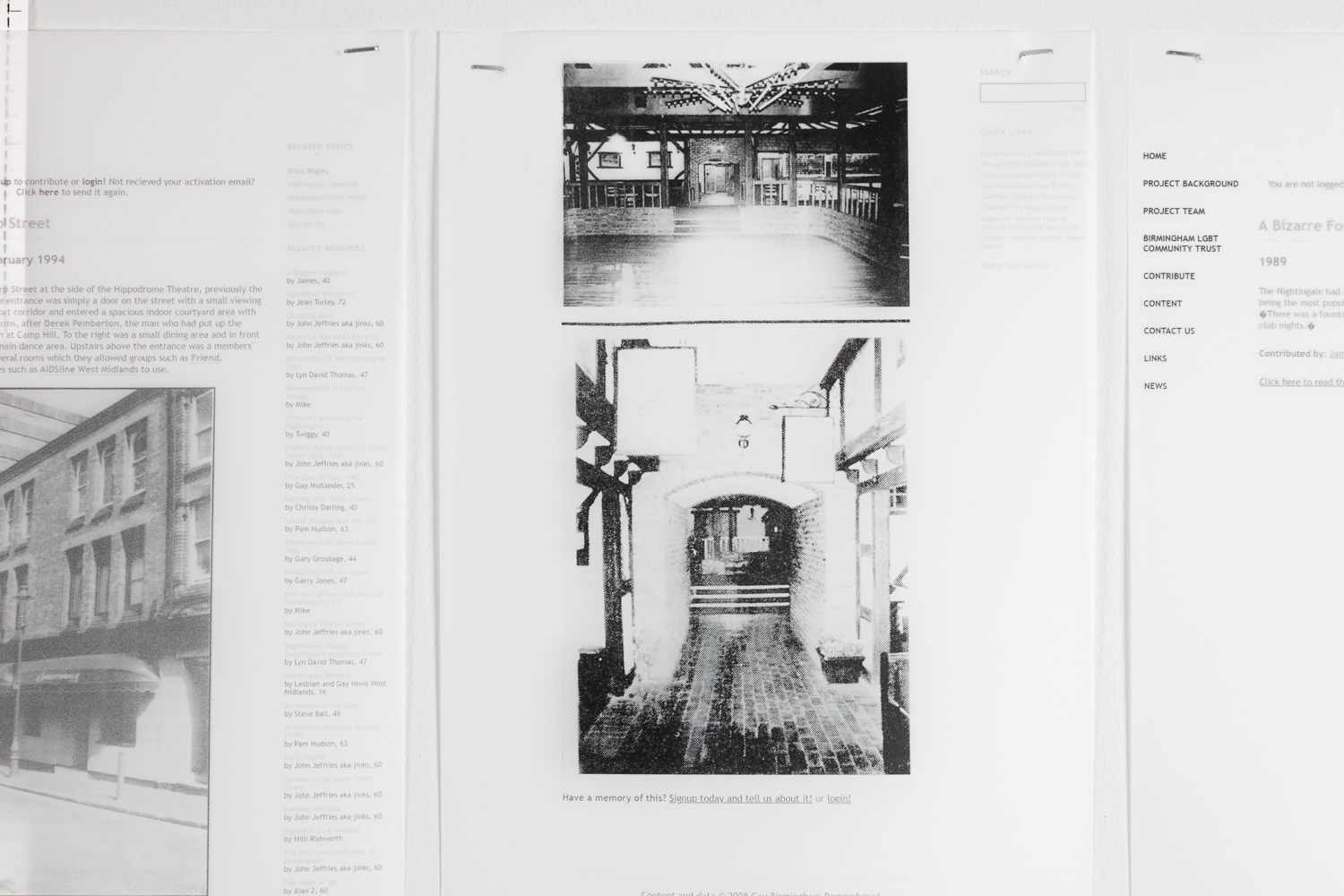
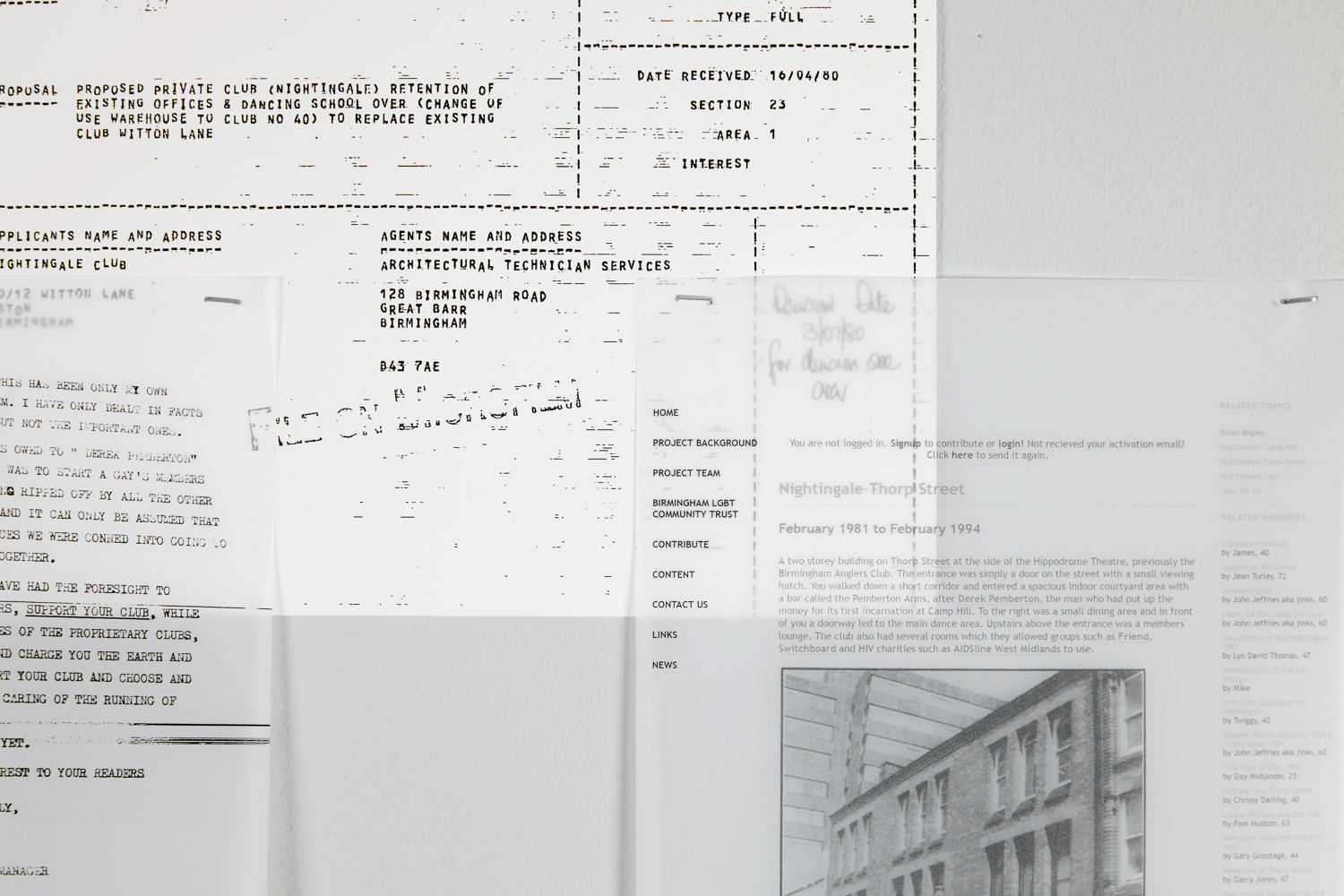
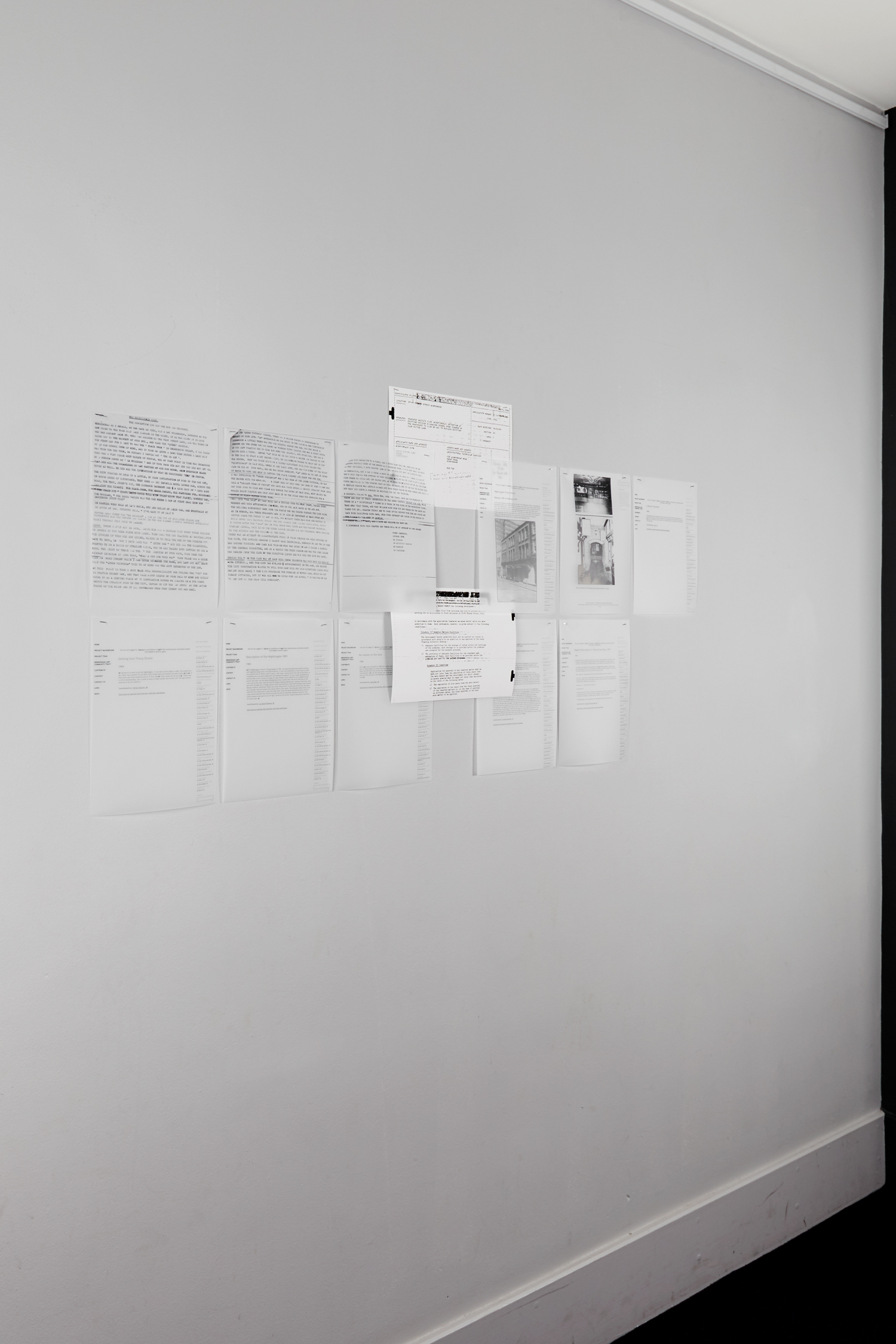
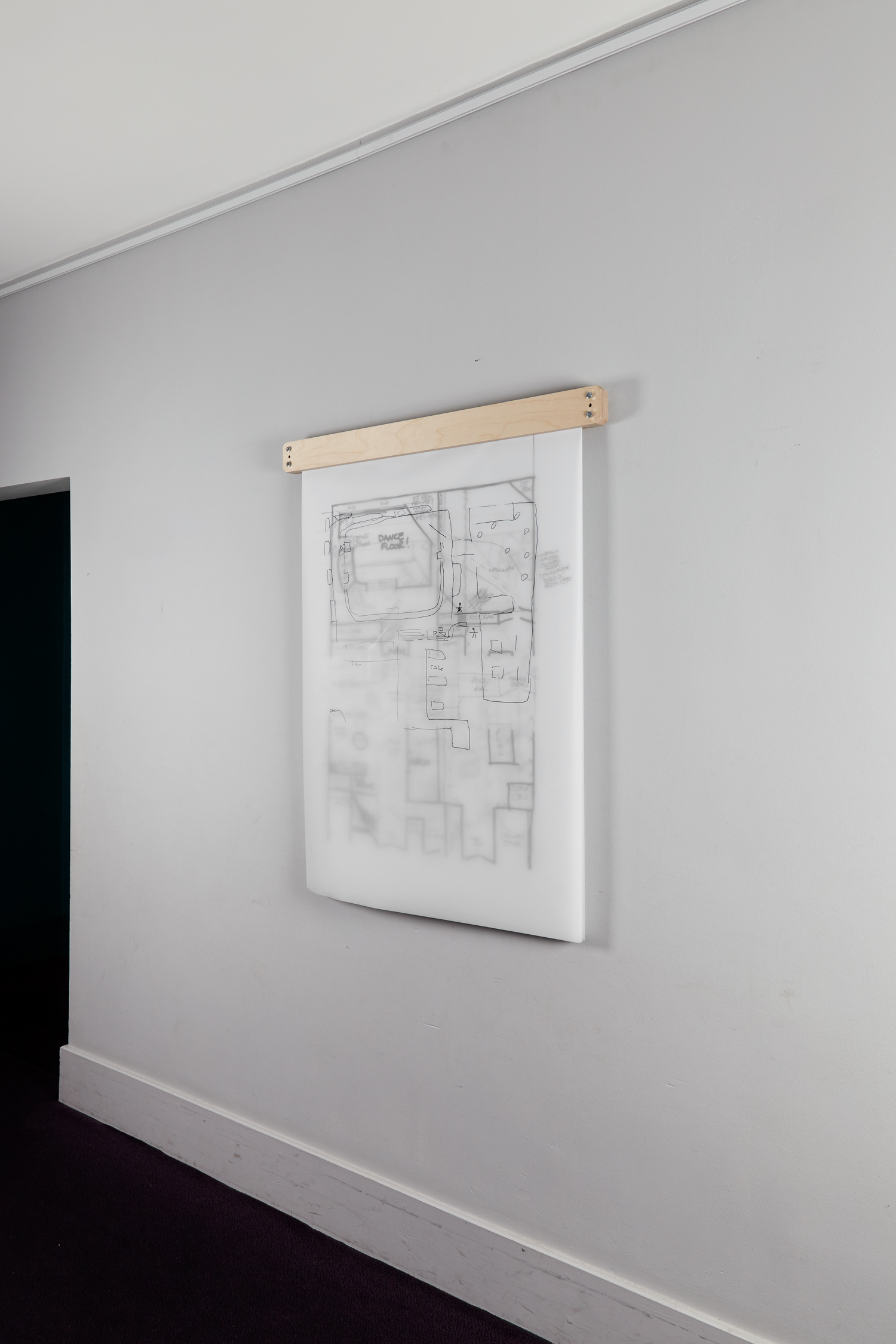
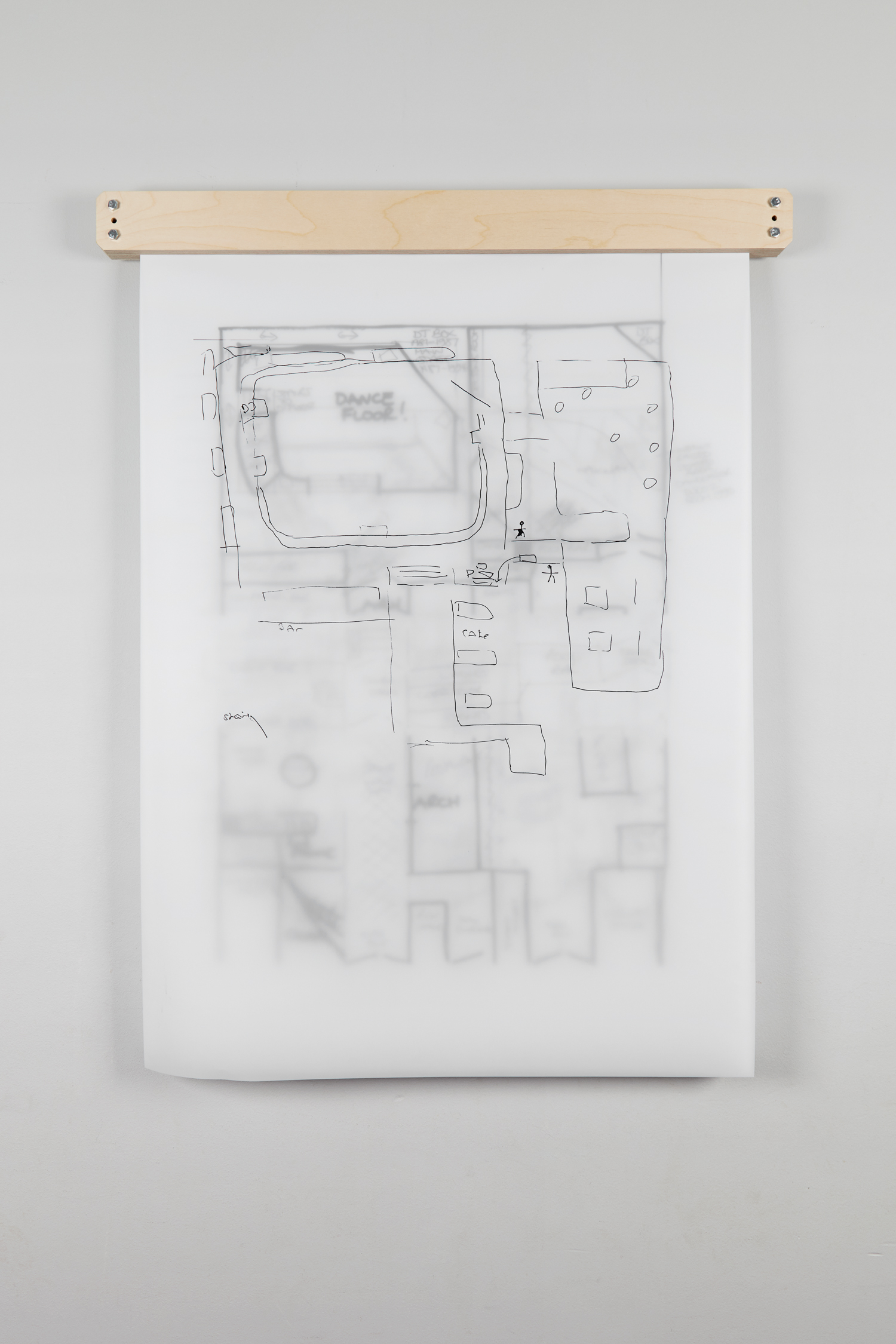
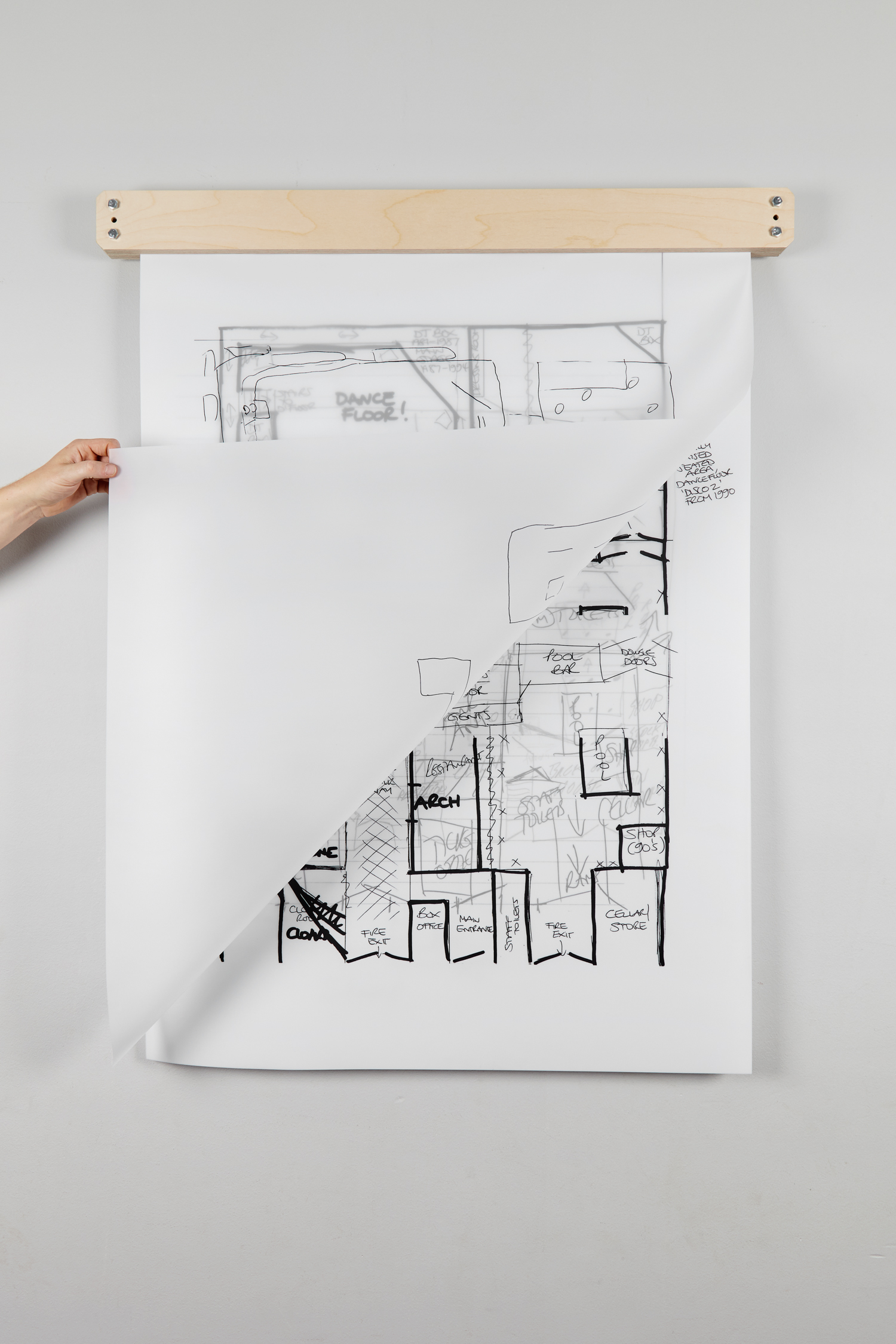
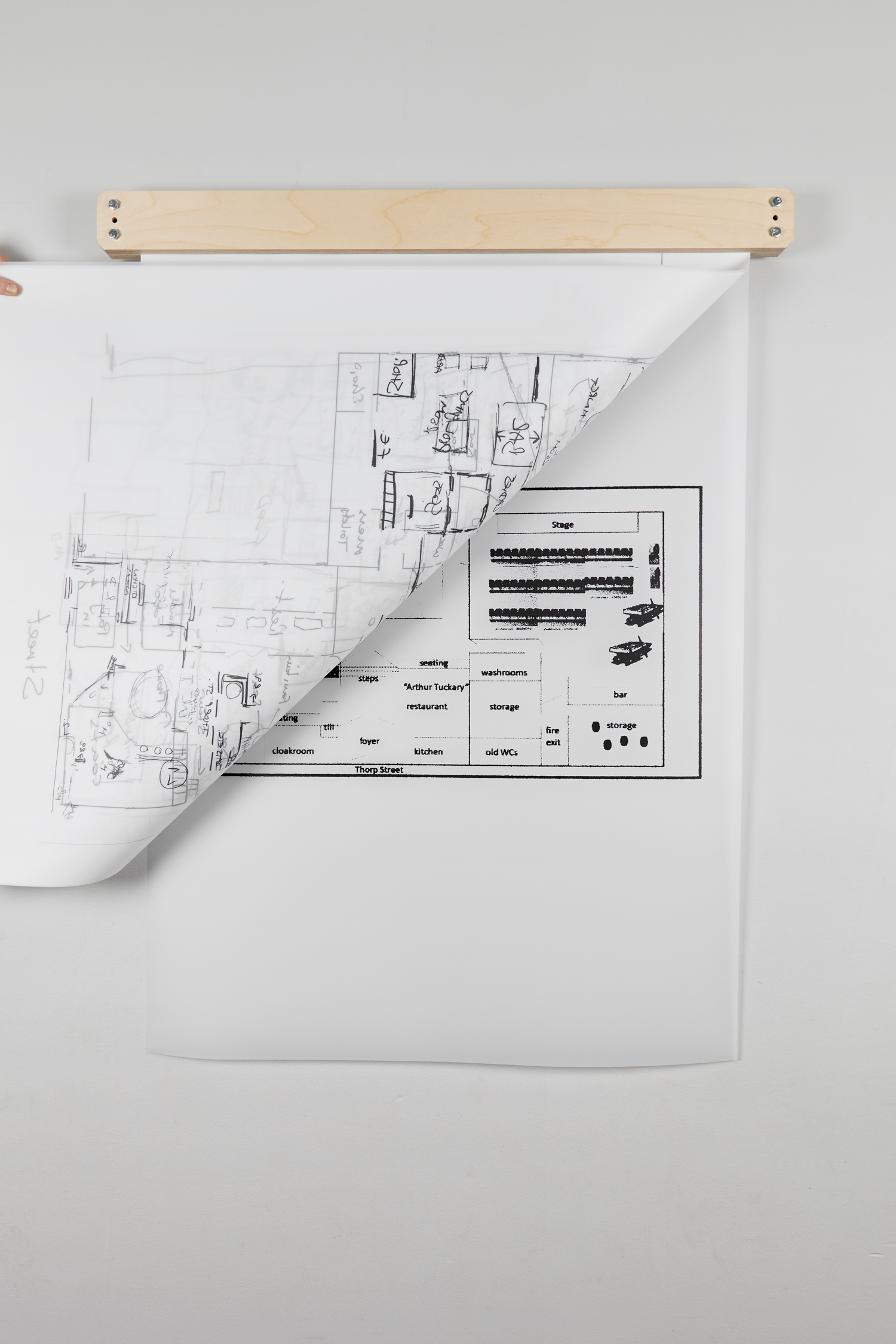
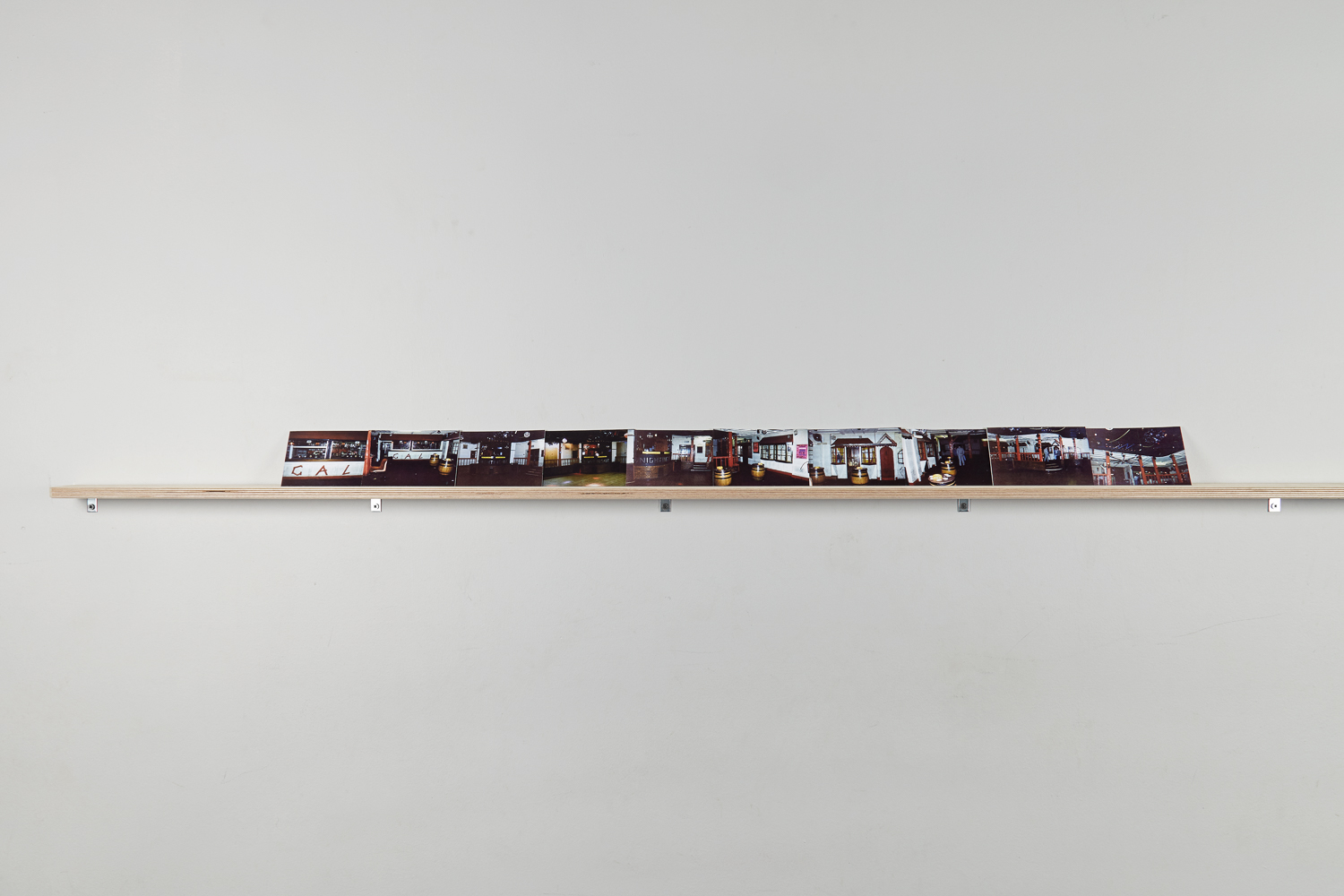
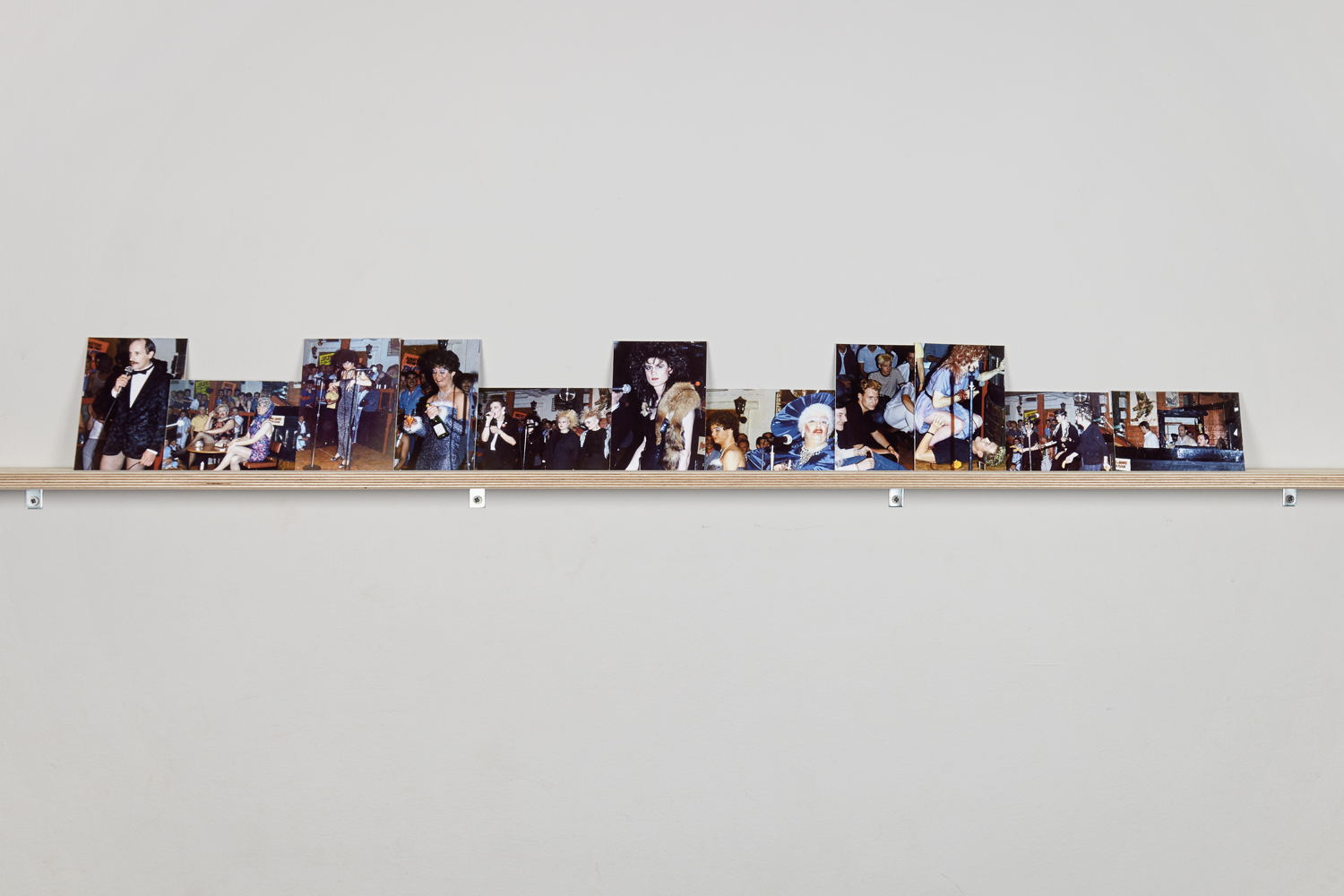
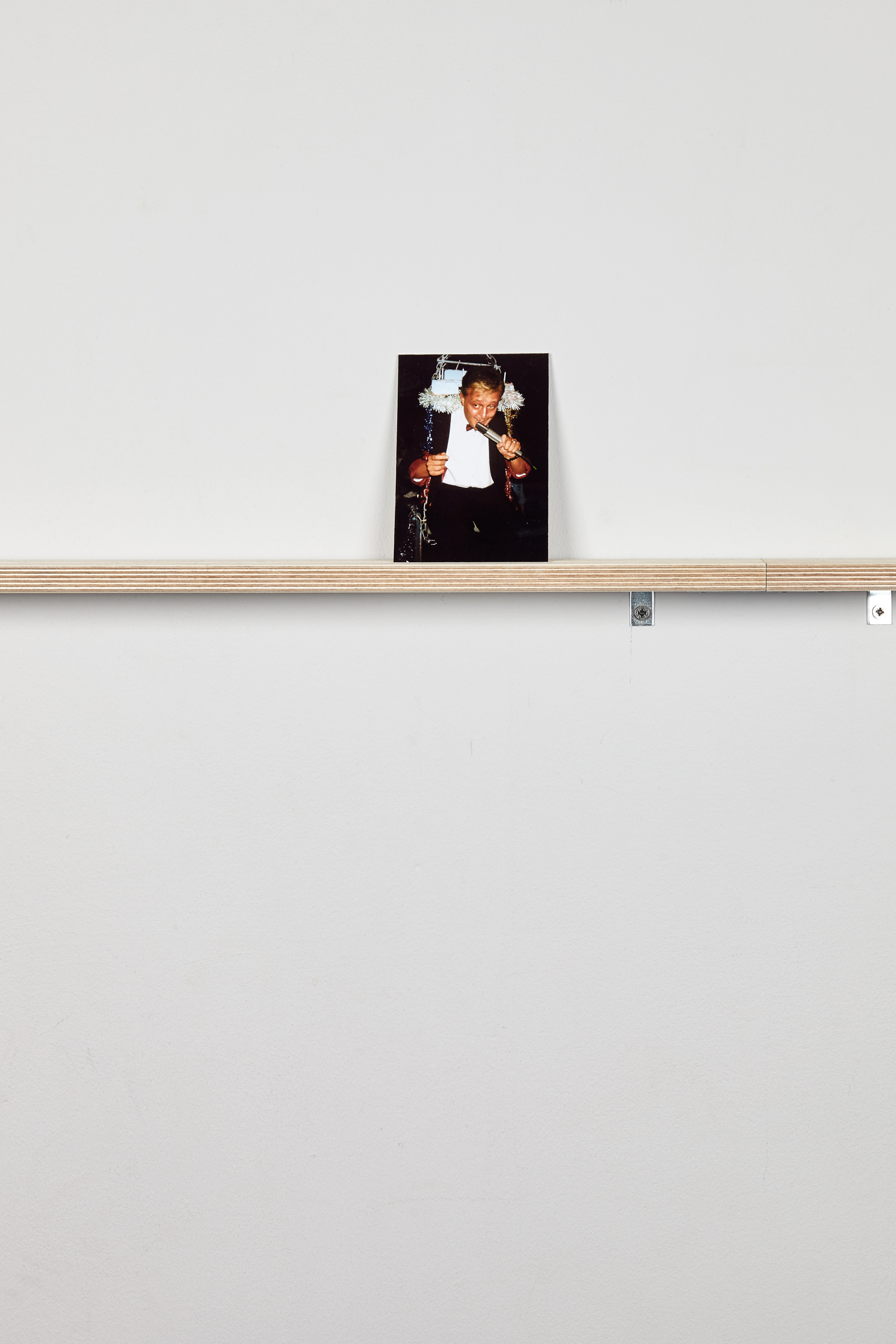
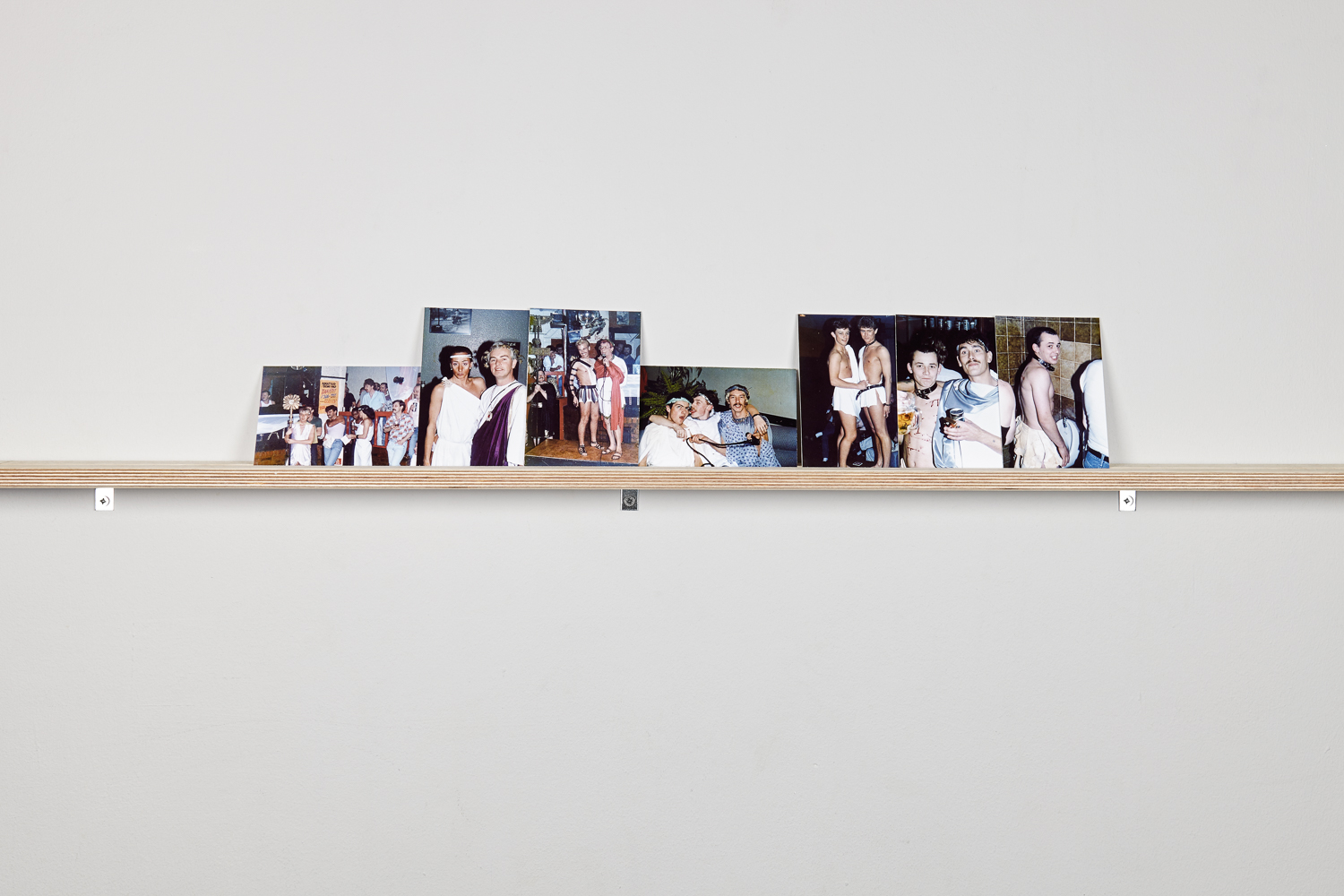
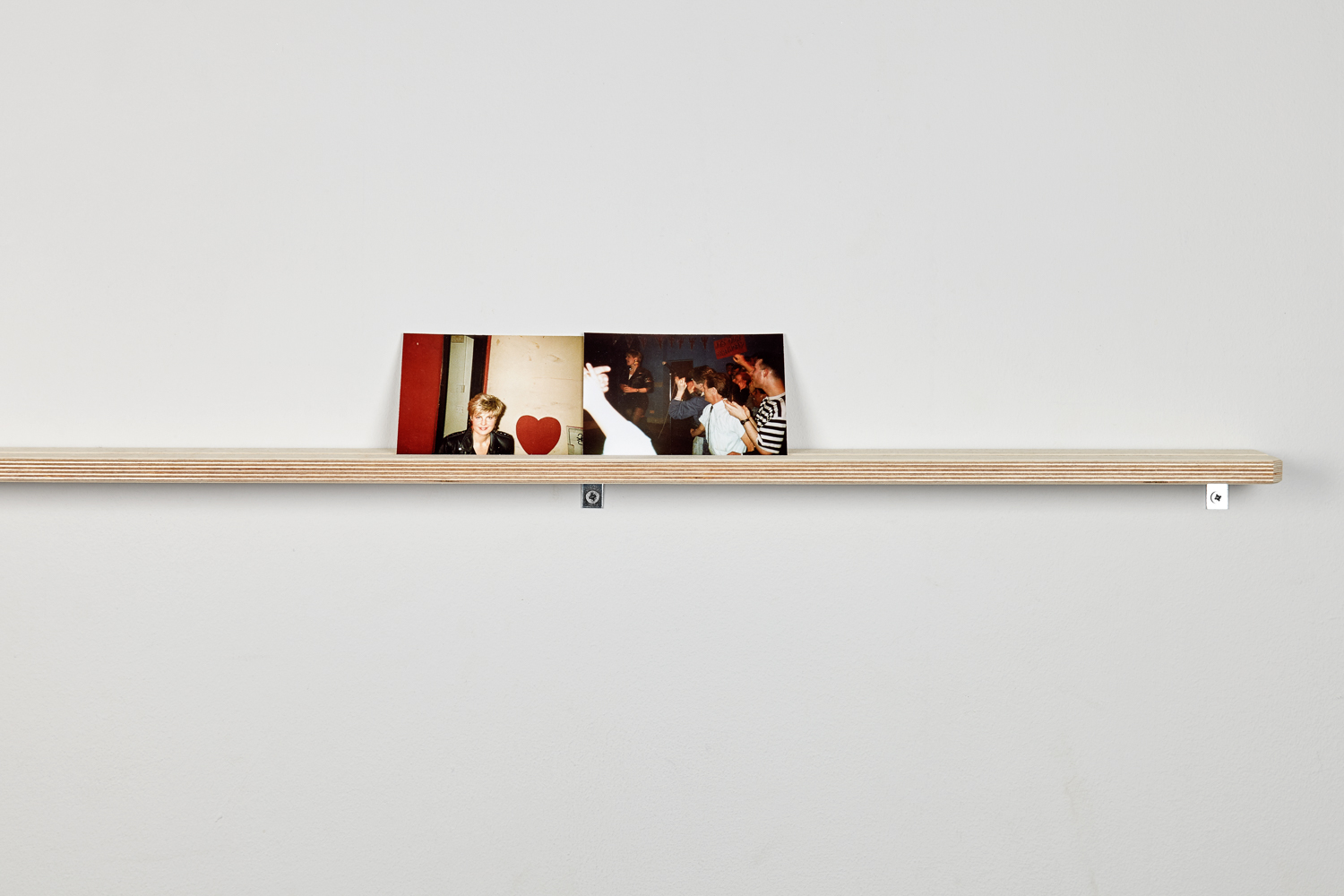
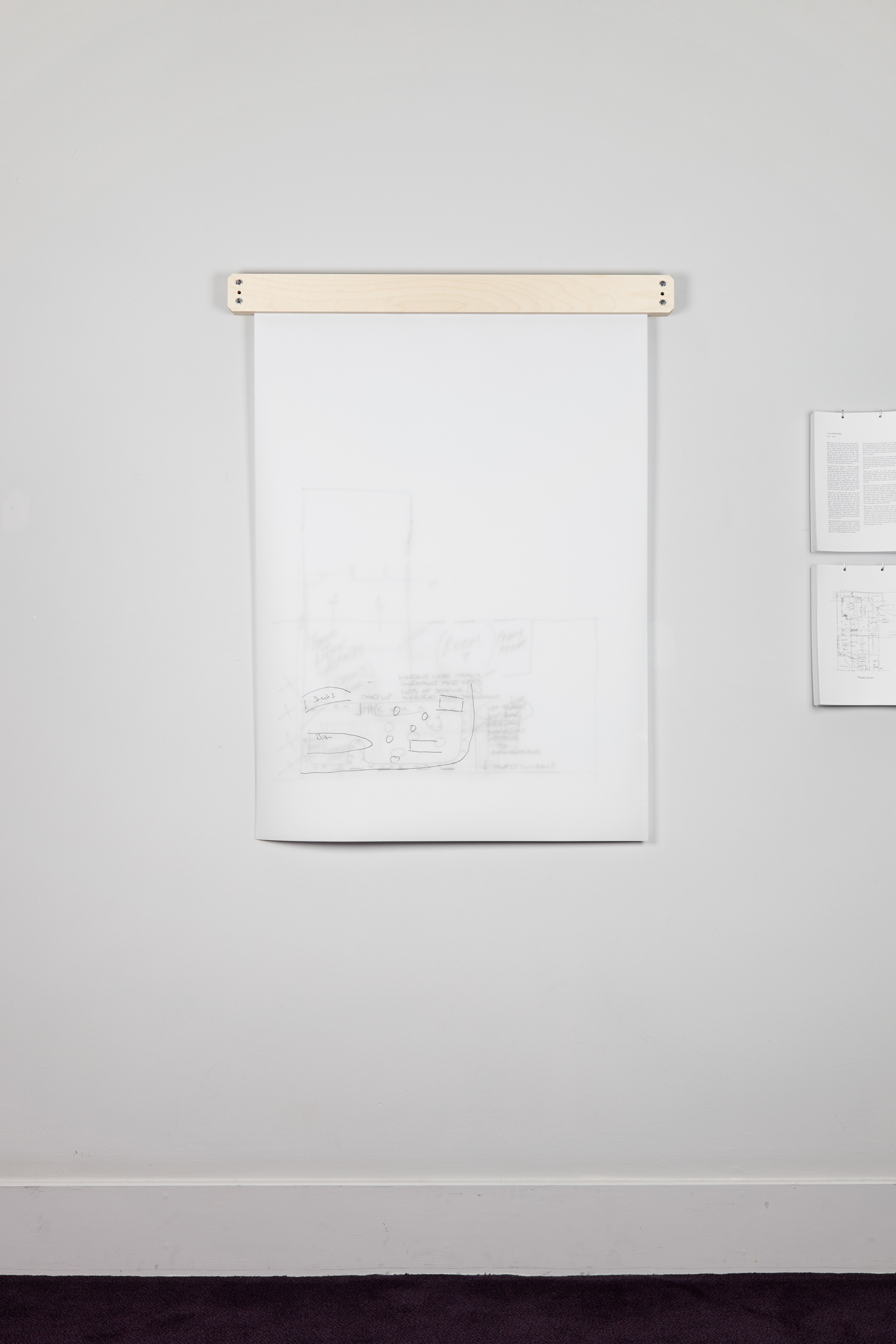
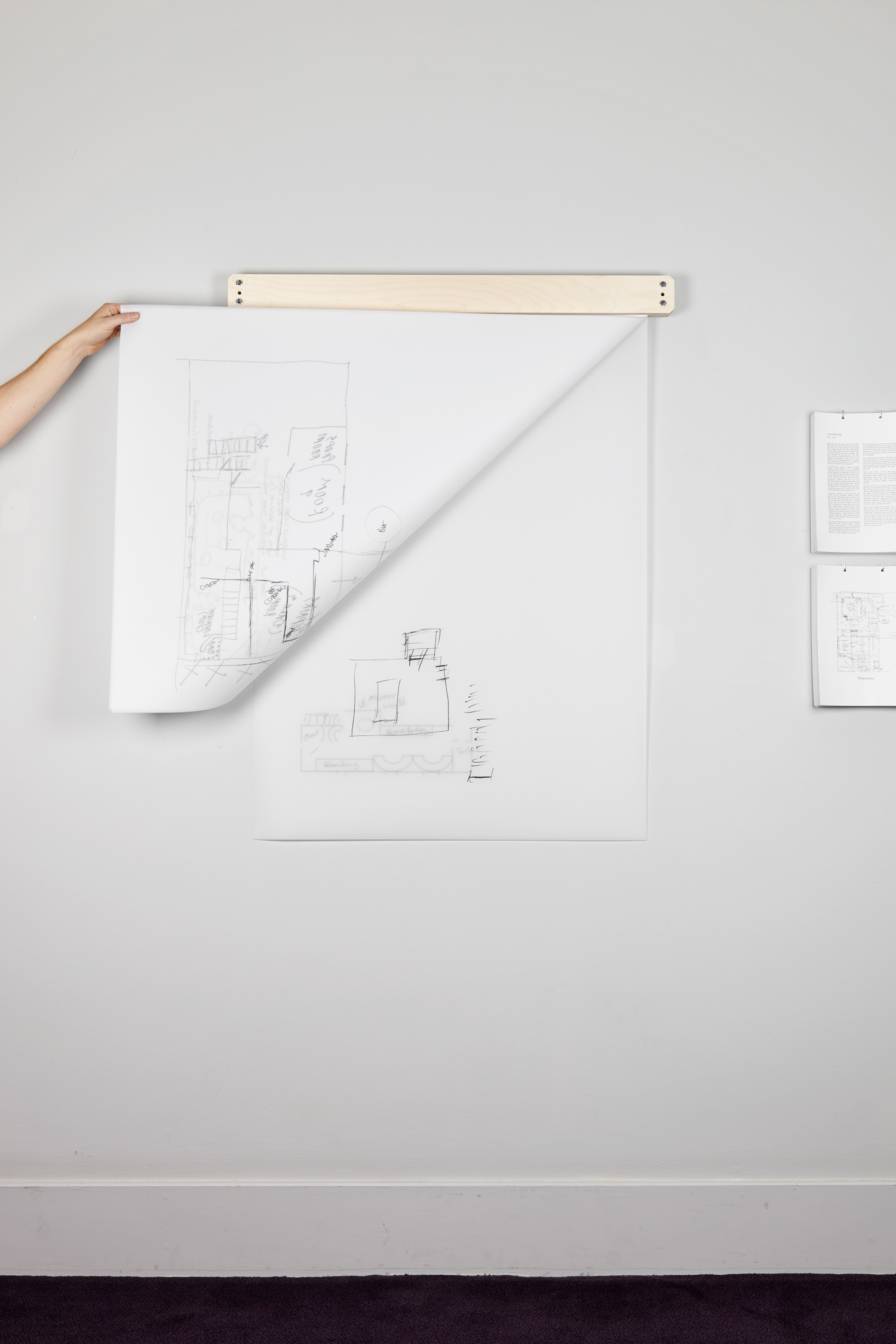
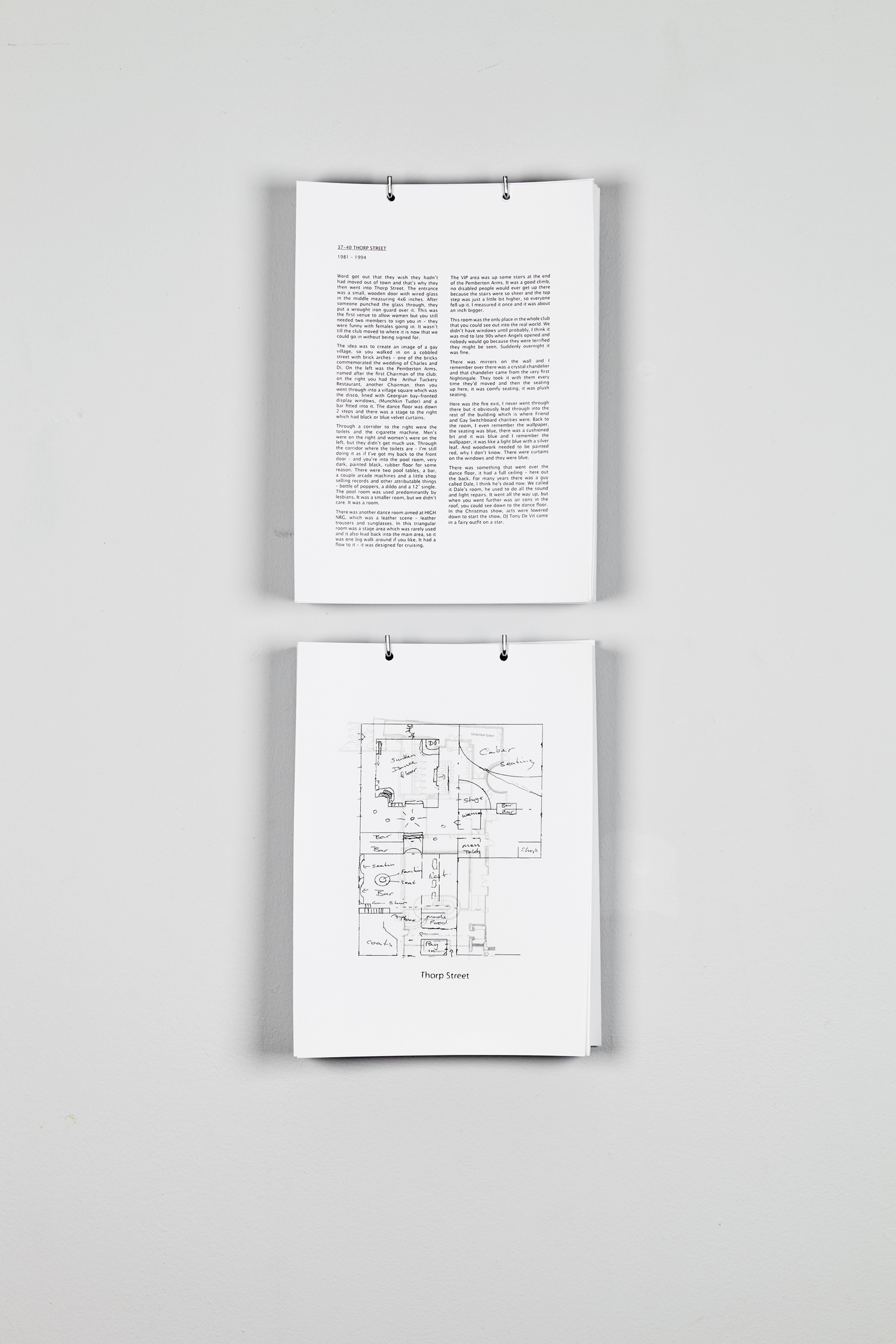
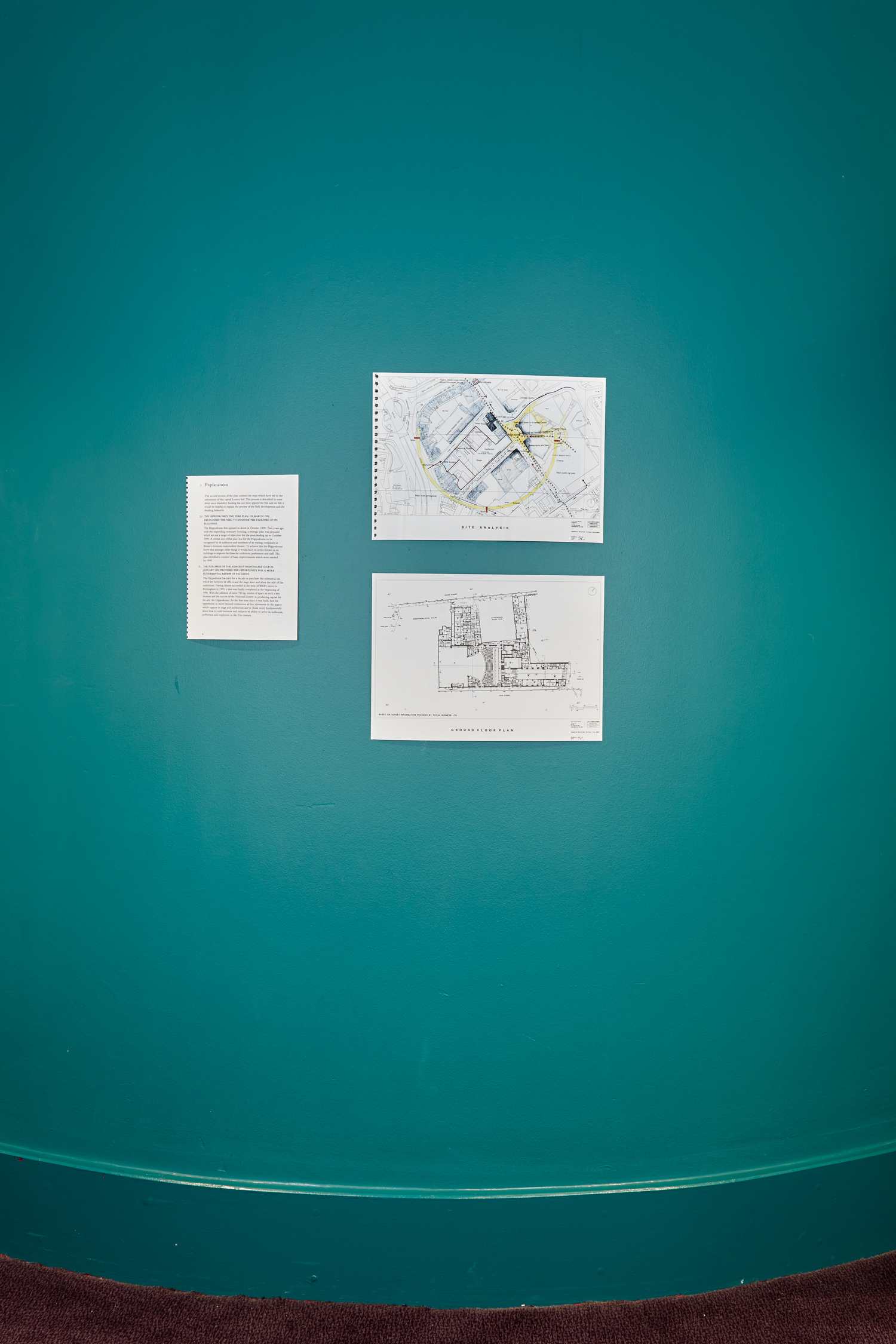
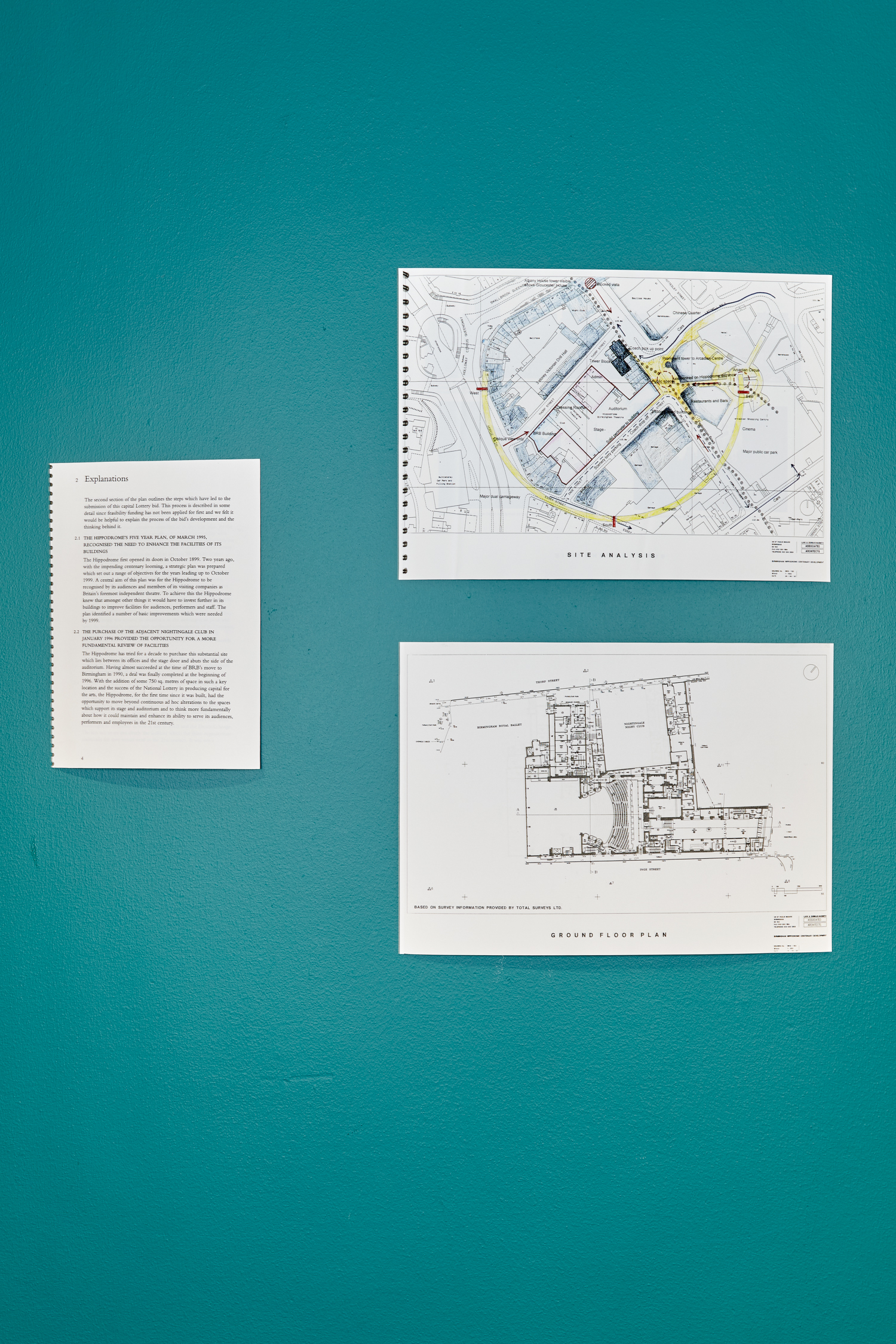
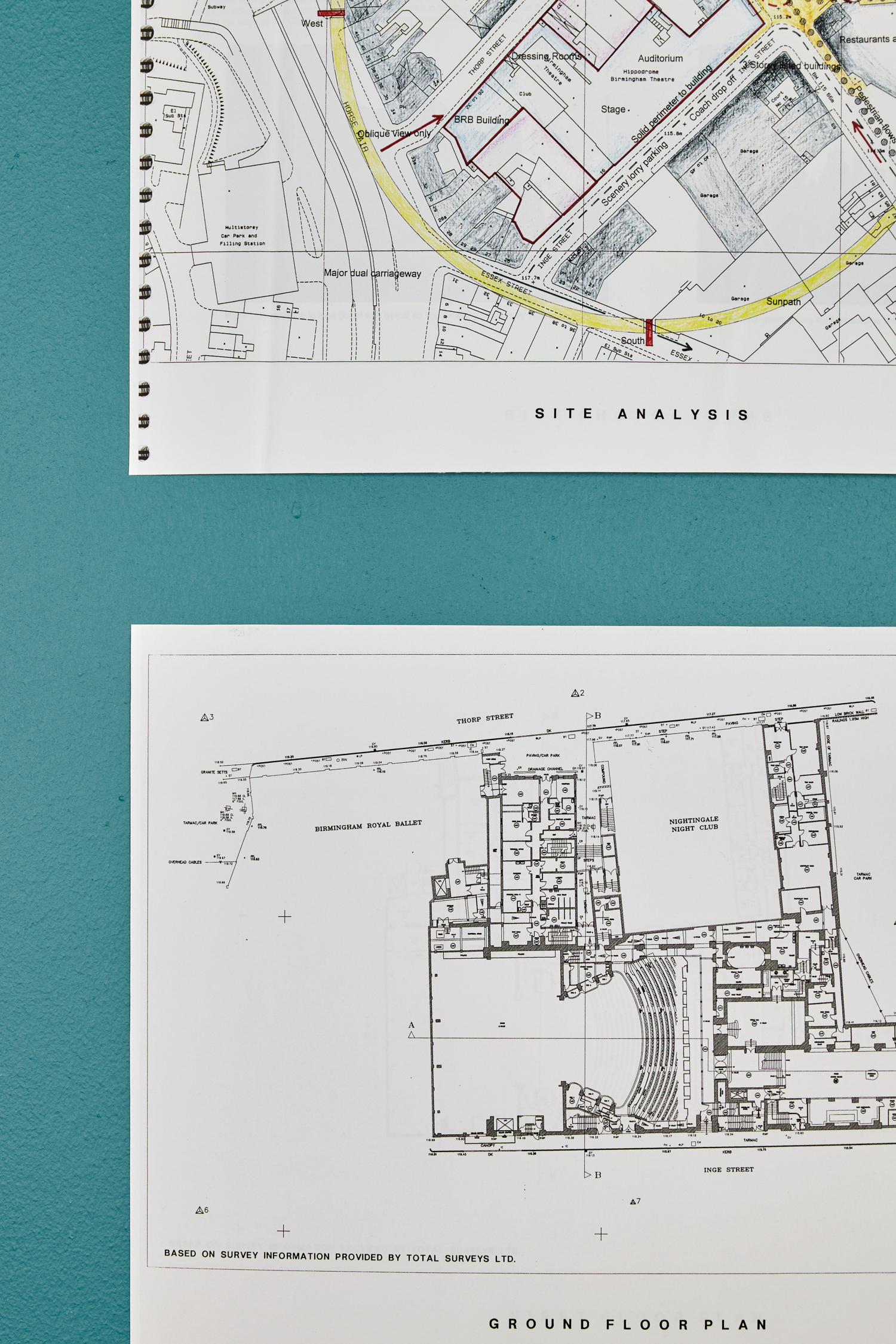
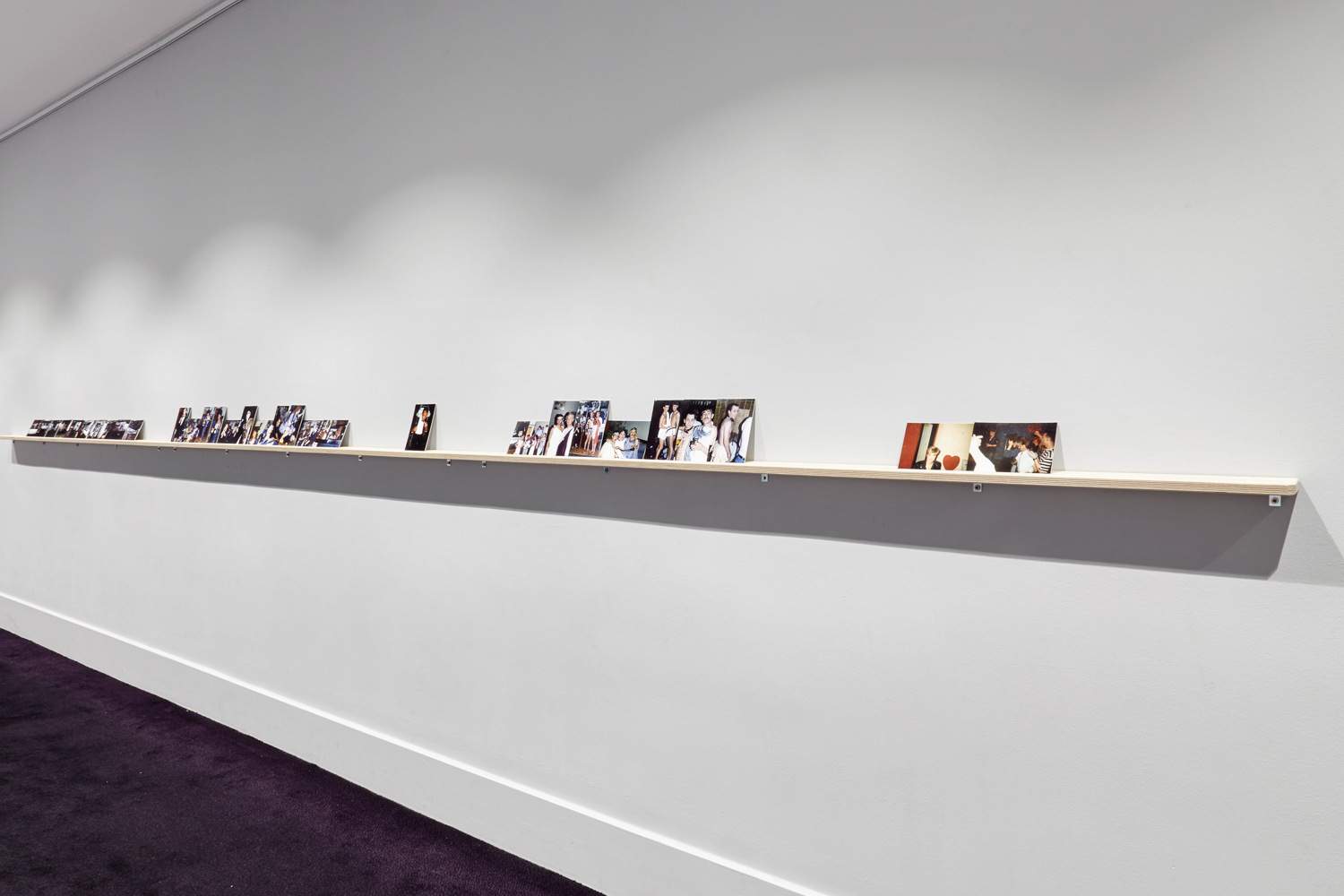
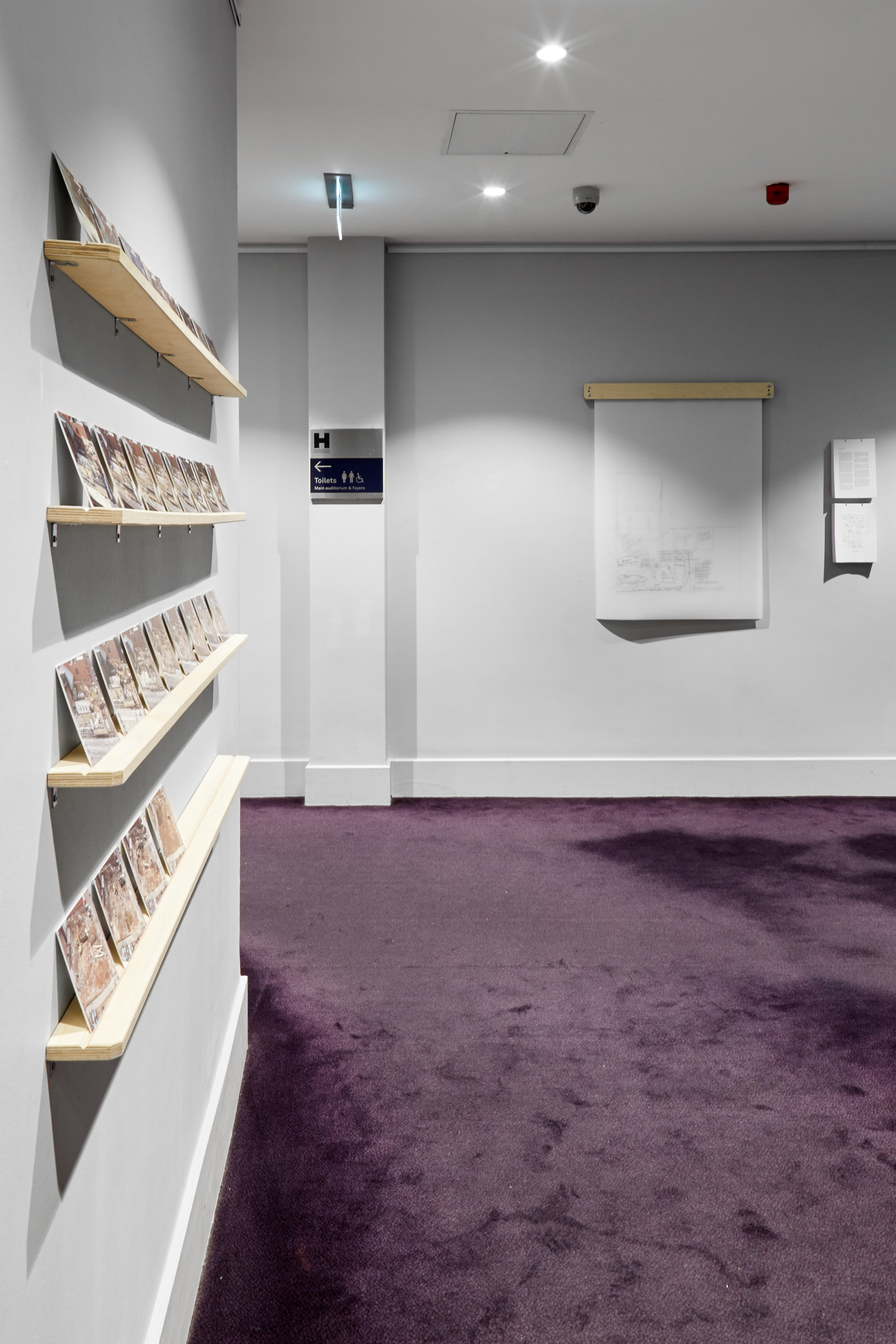
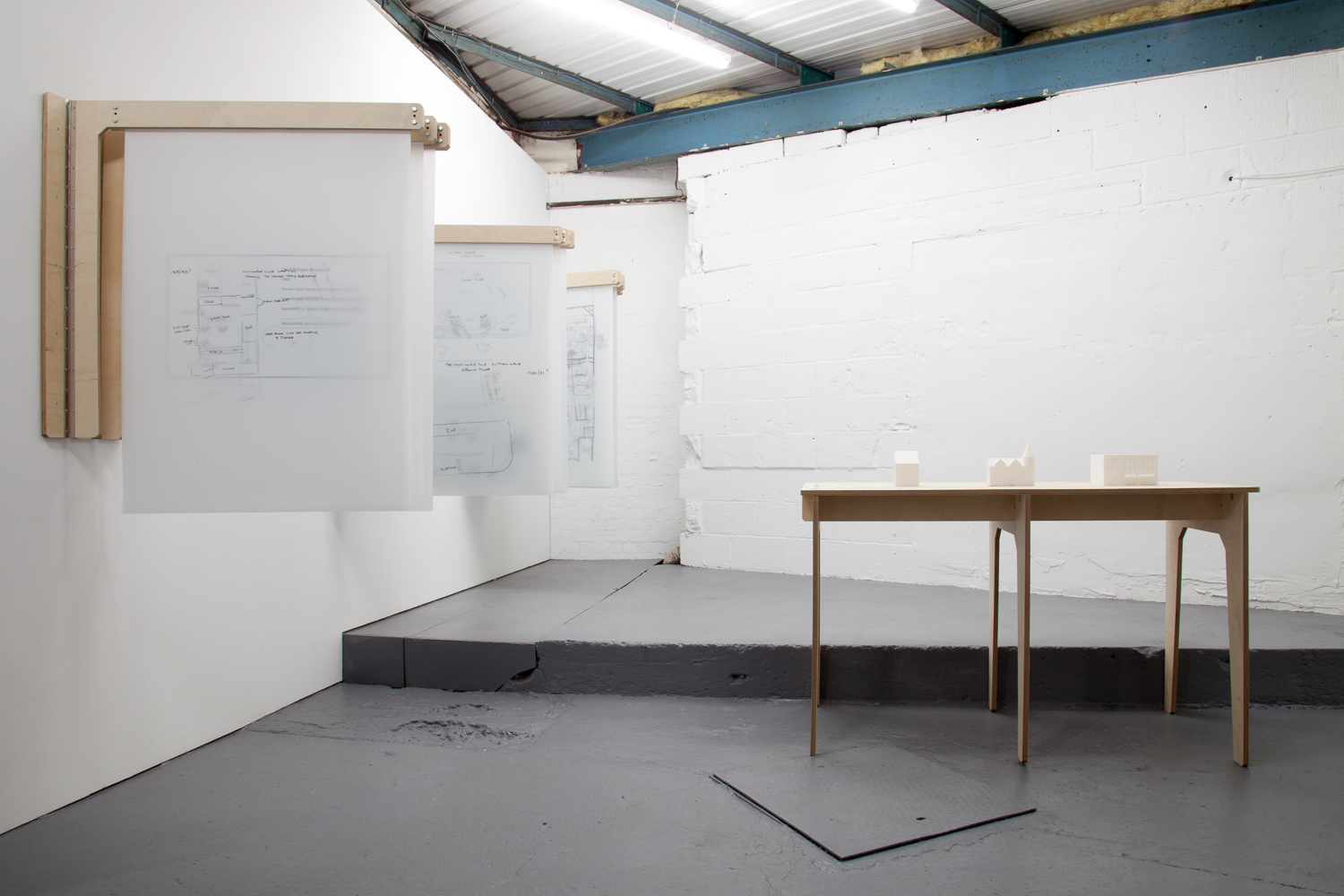
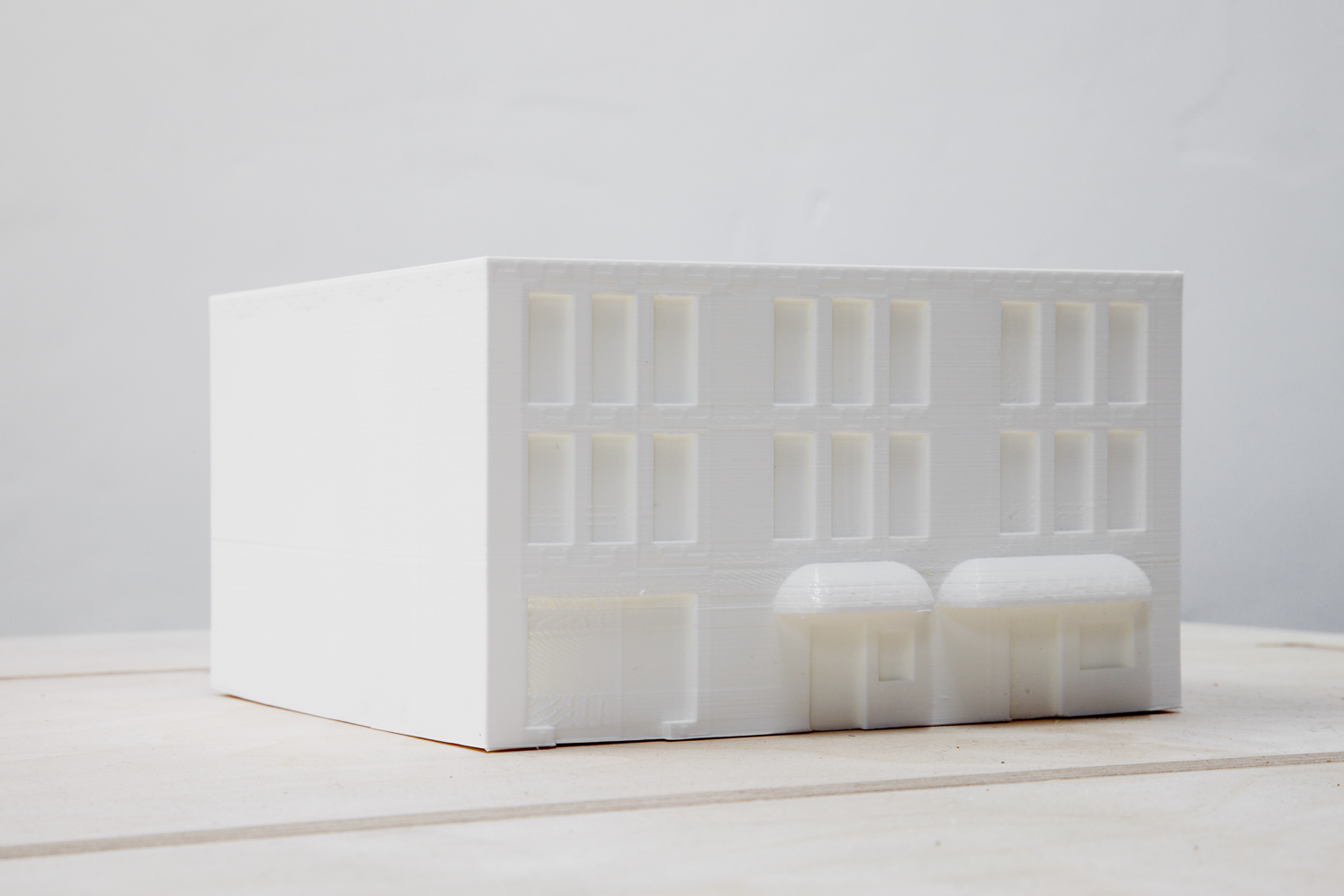
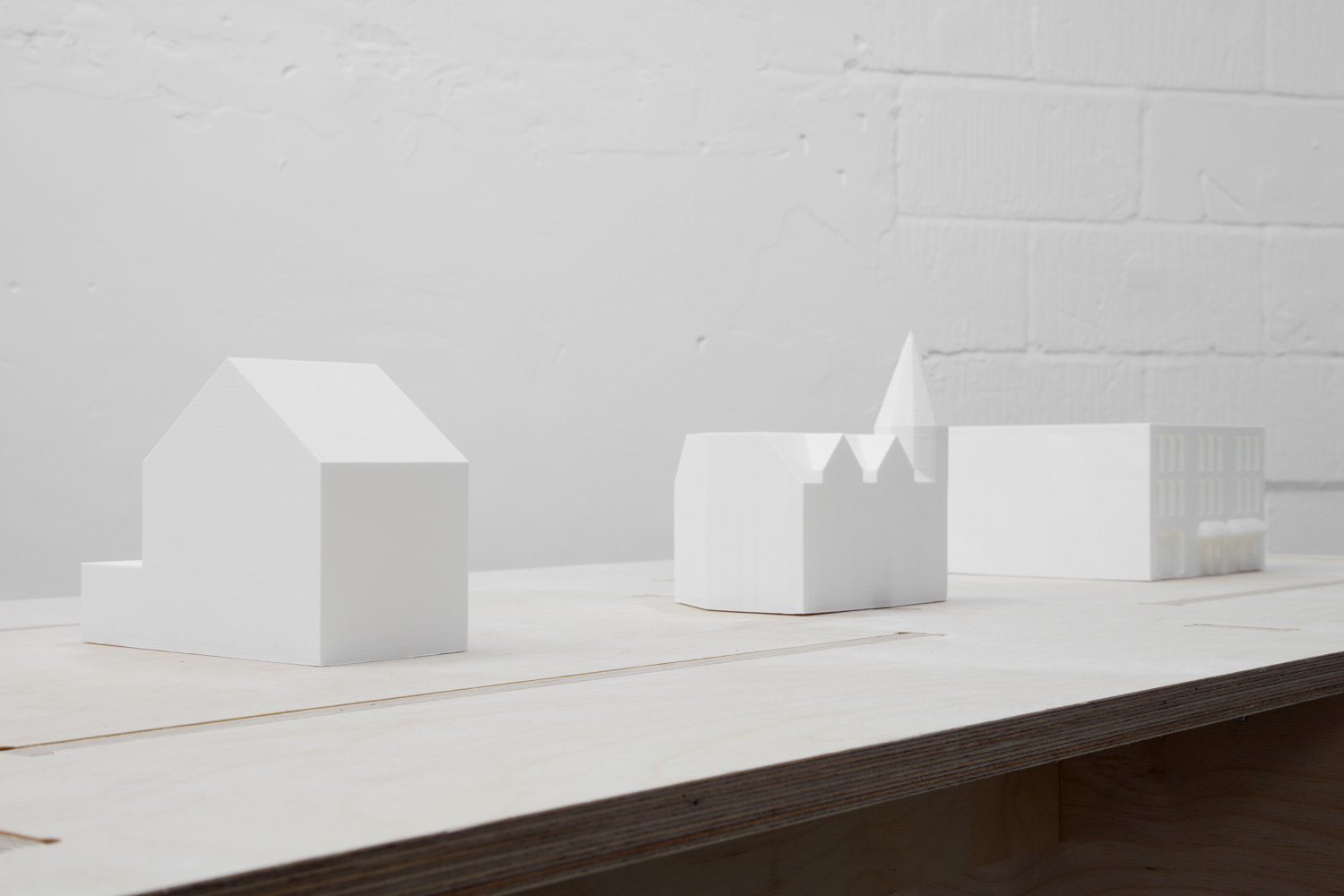
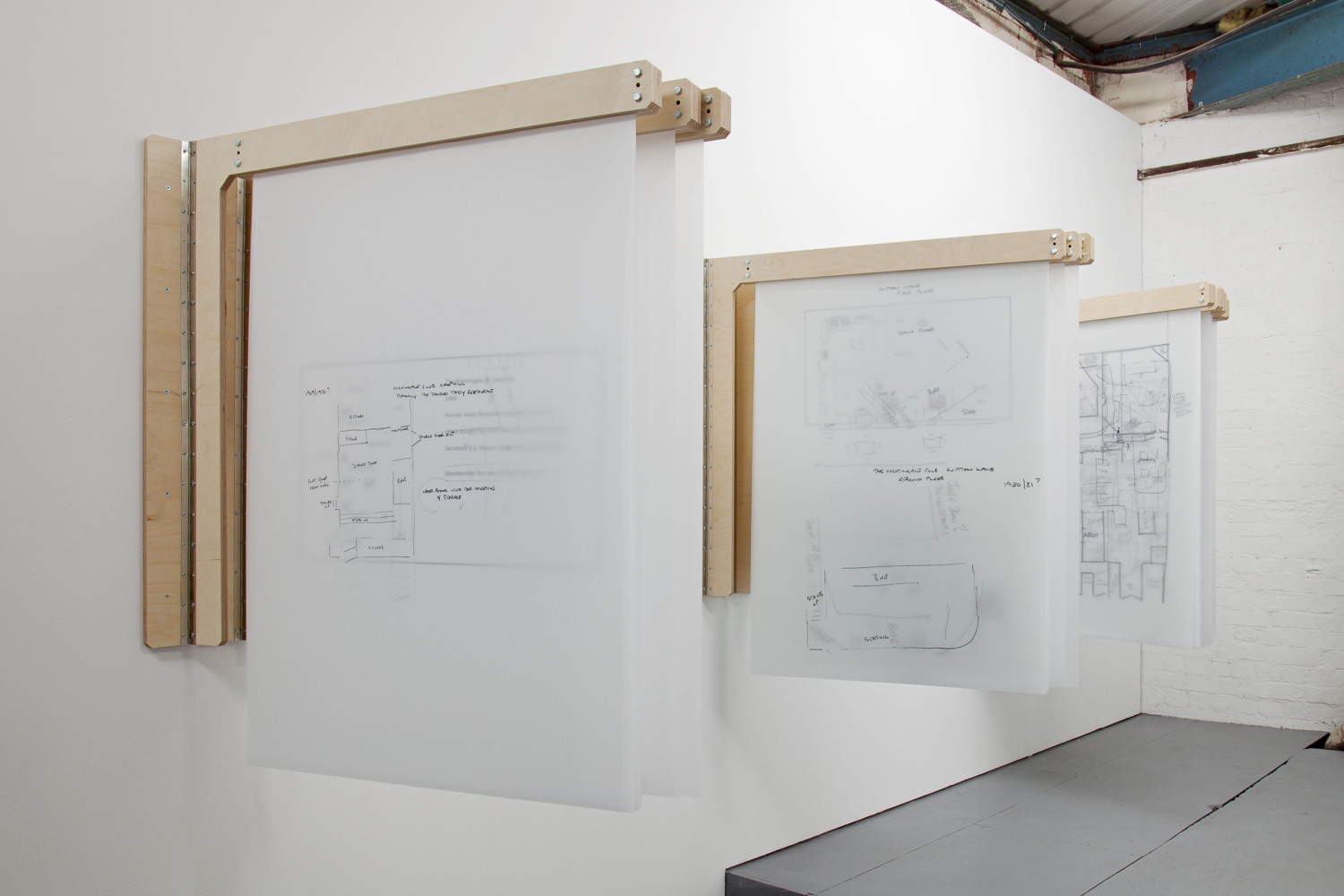
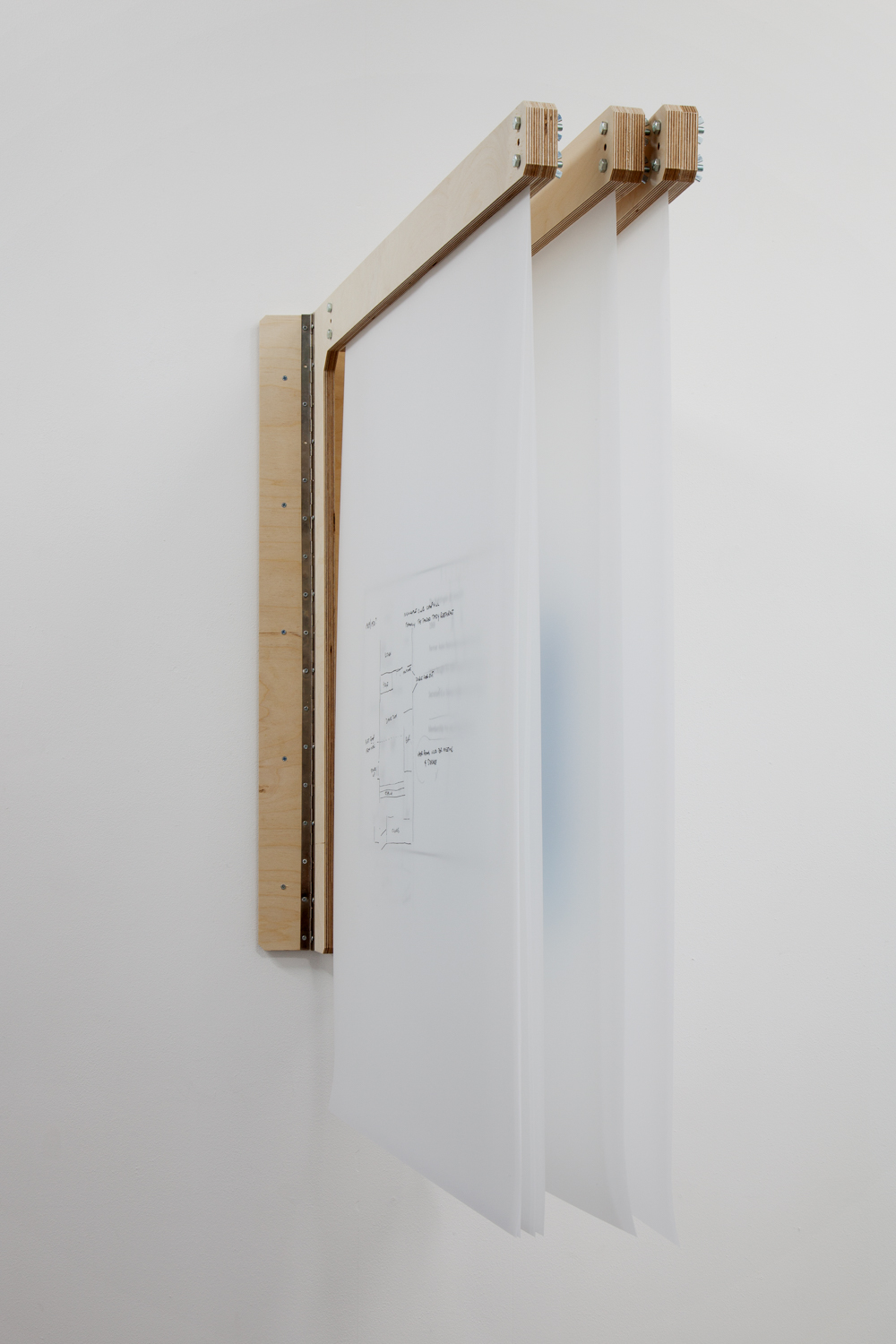
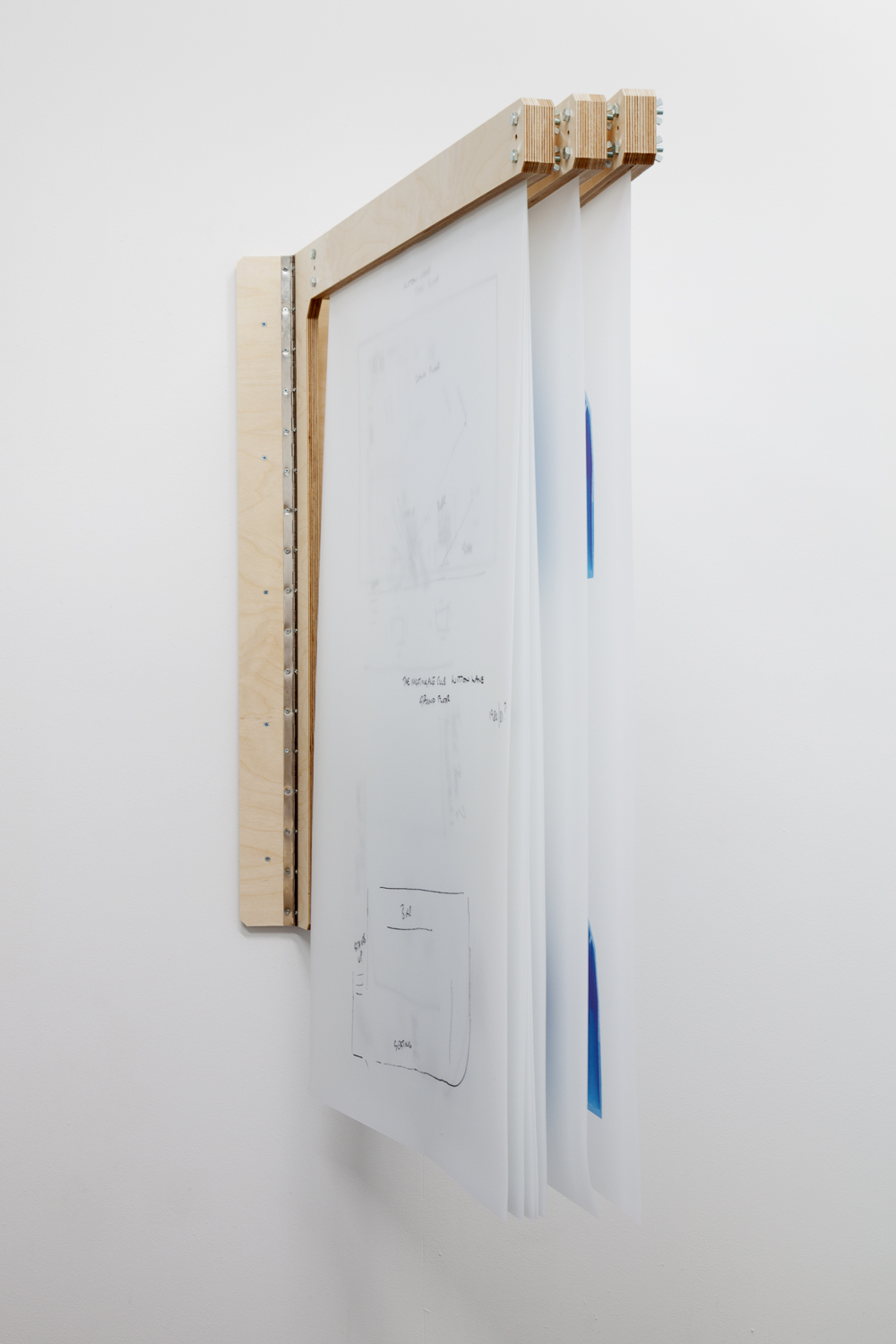
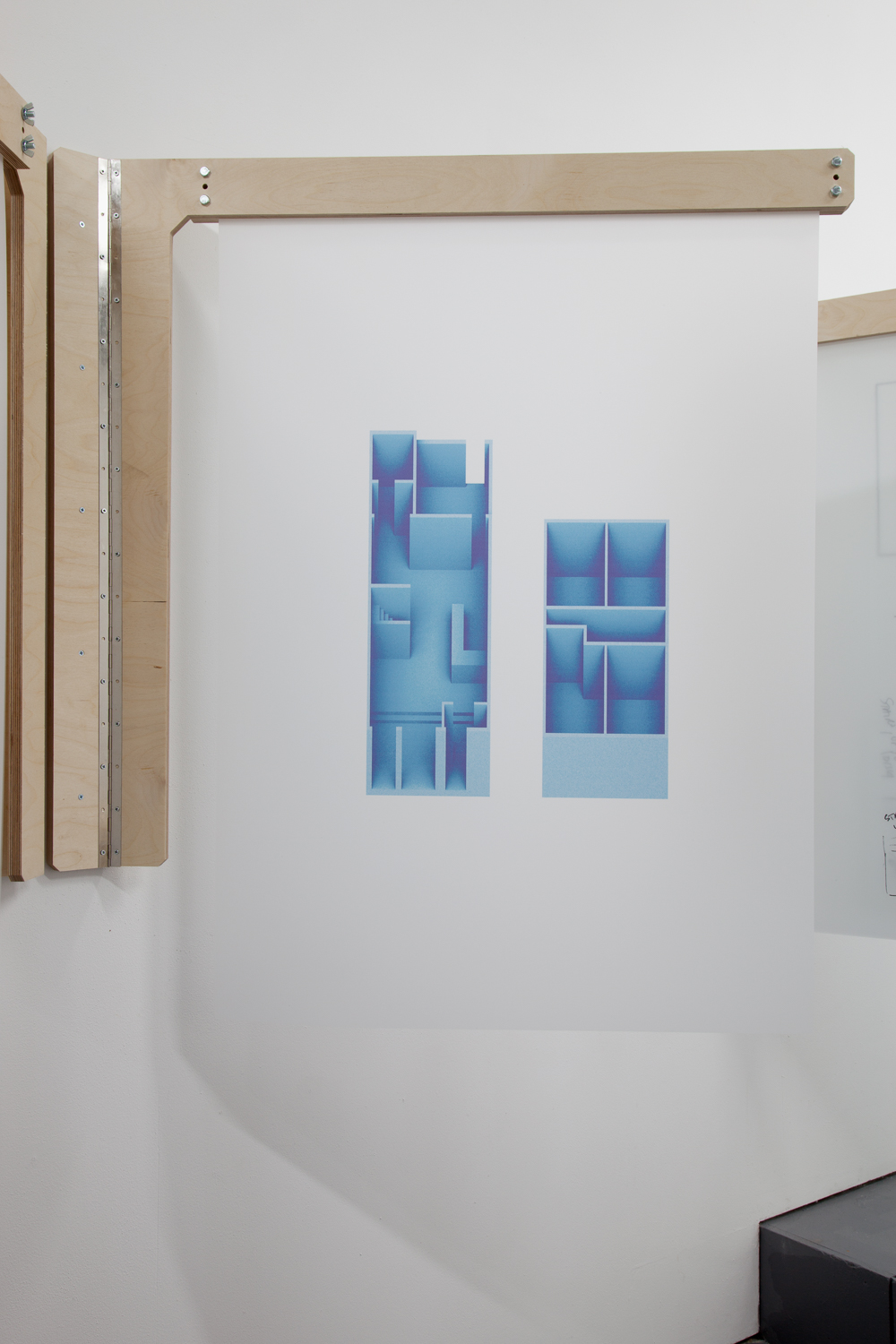
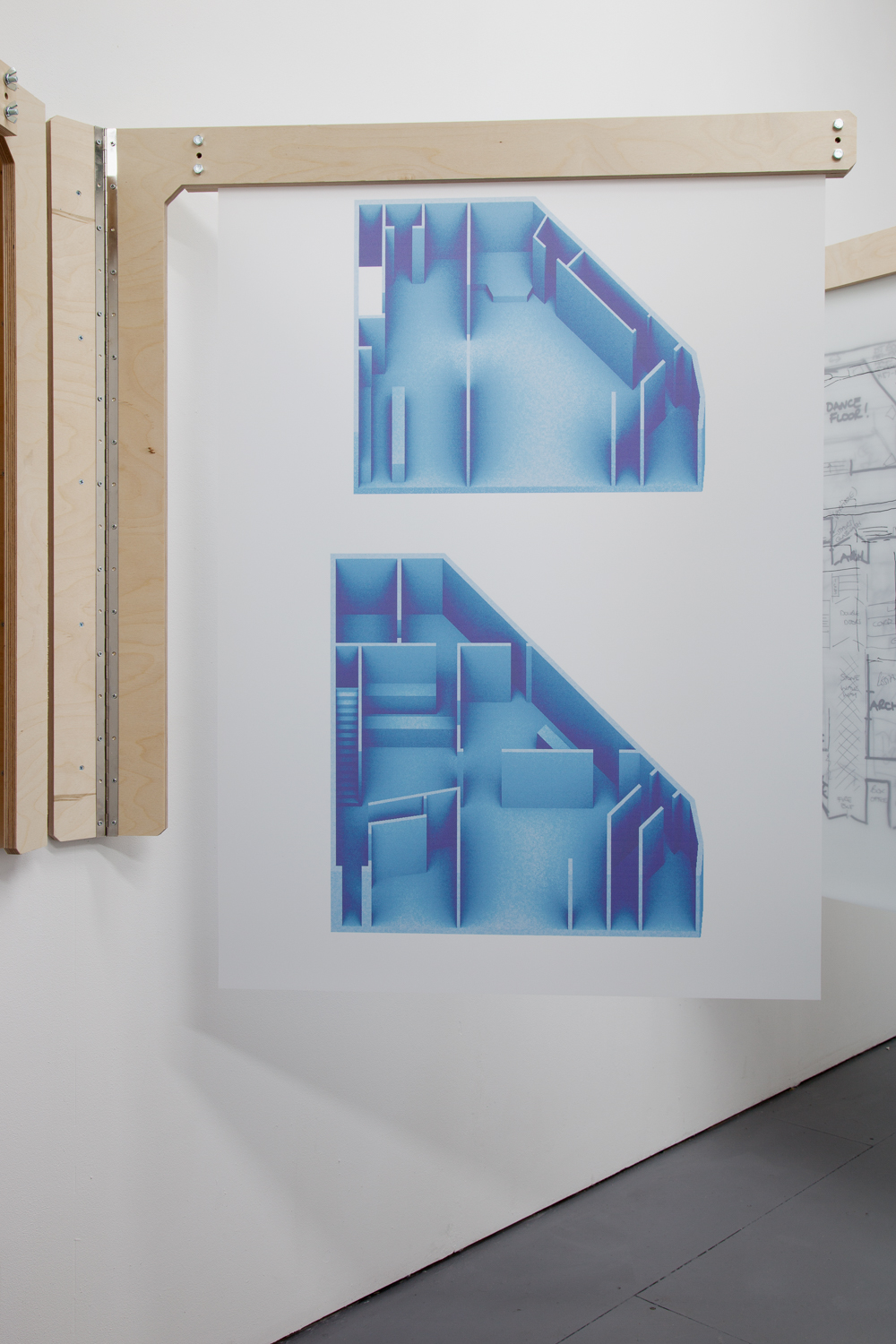
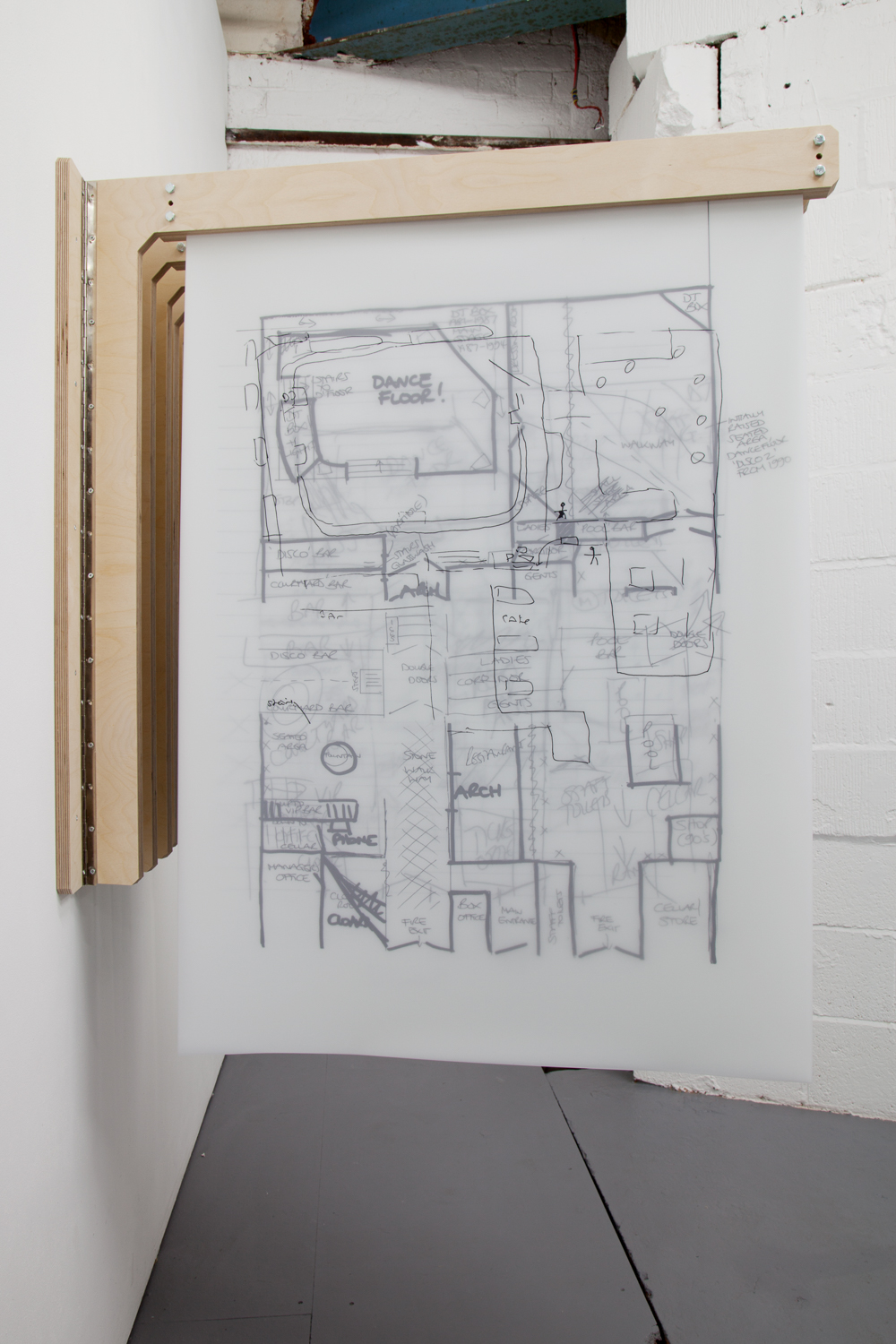
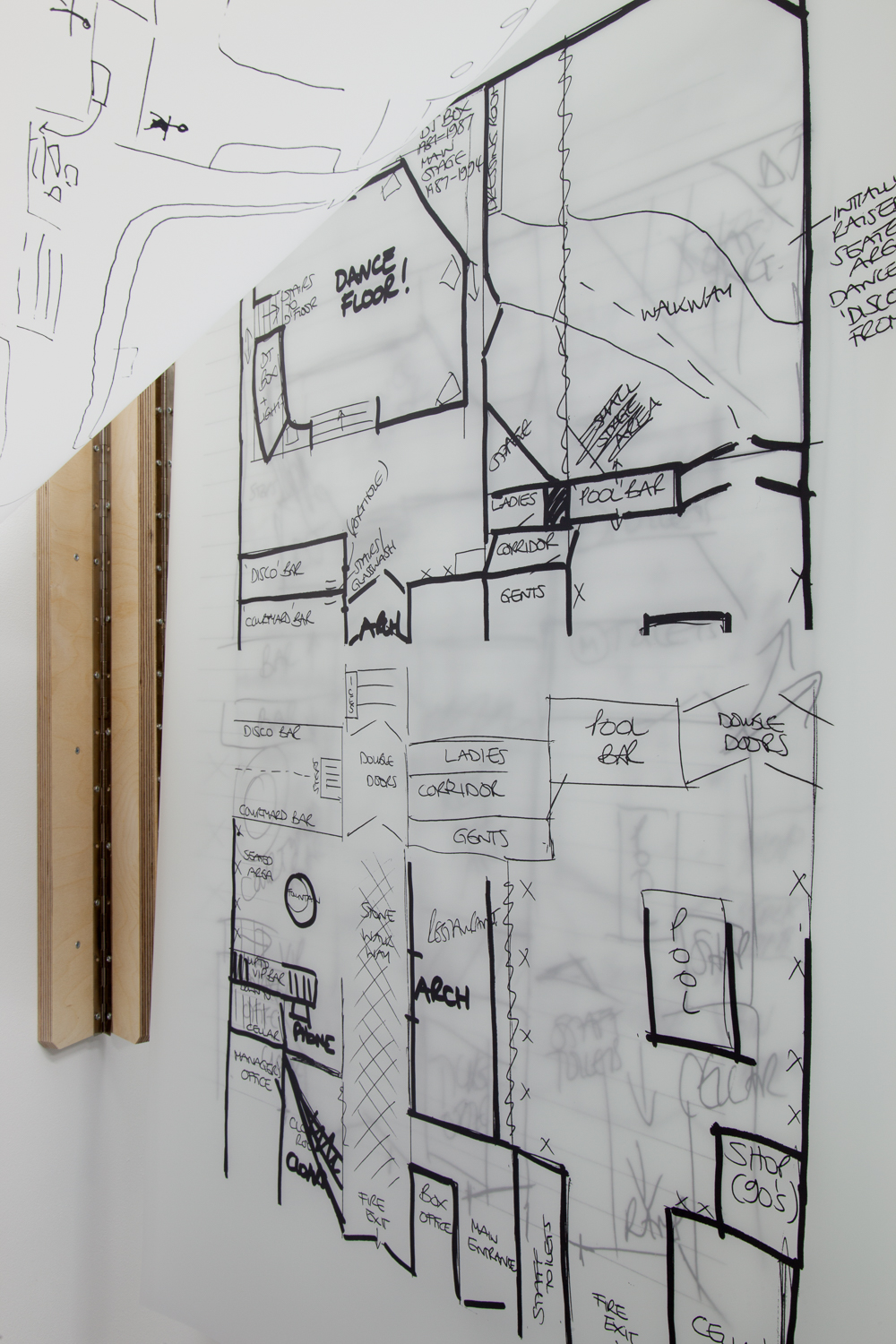
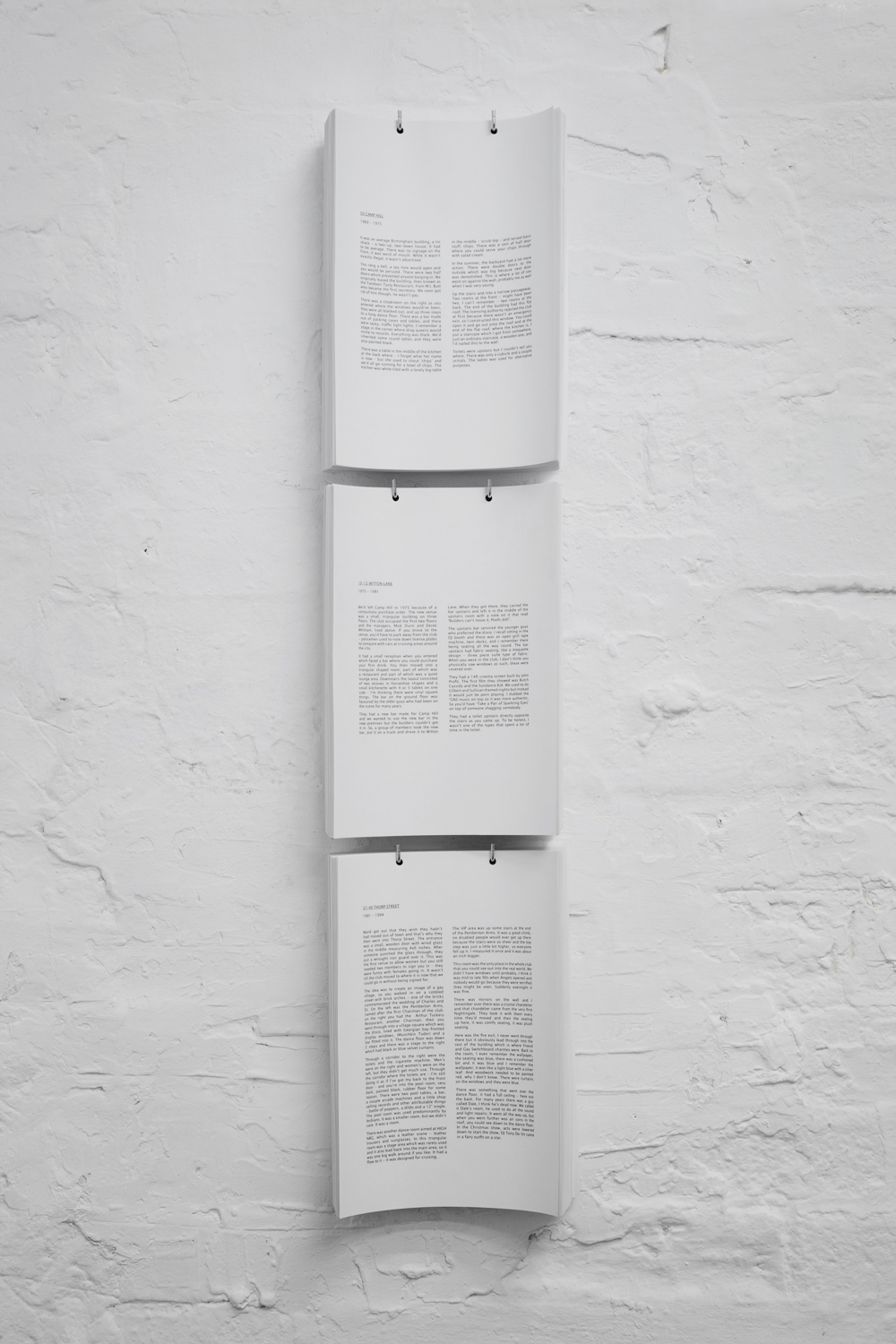
If Memory Serves narrates the previous venue of Birmingham’s oldest queer space, The Nightingale Club. The exhibition forms part of an ongoing research project by Ryan Kearney, which born out of gaps in the city’s queer record, considers the closure of LGBTQ+ spaces, their exclusionary practices and the role of memory in forming a queerer archive.
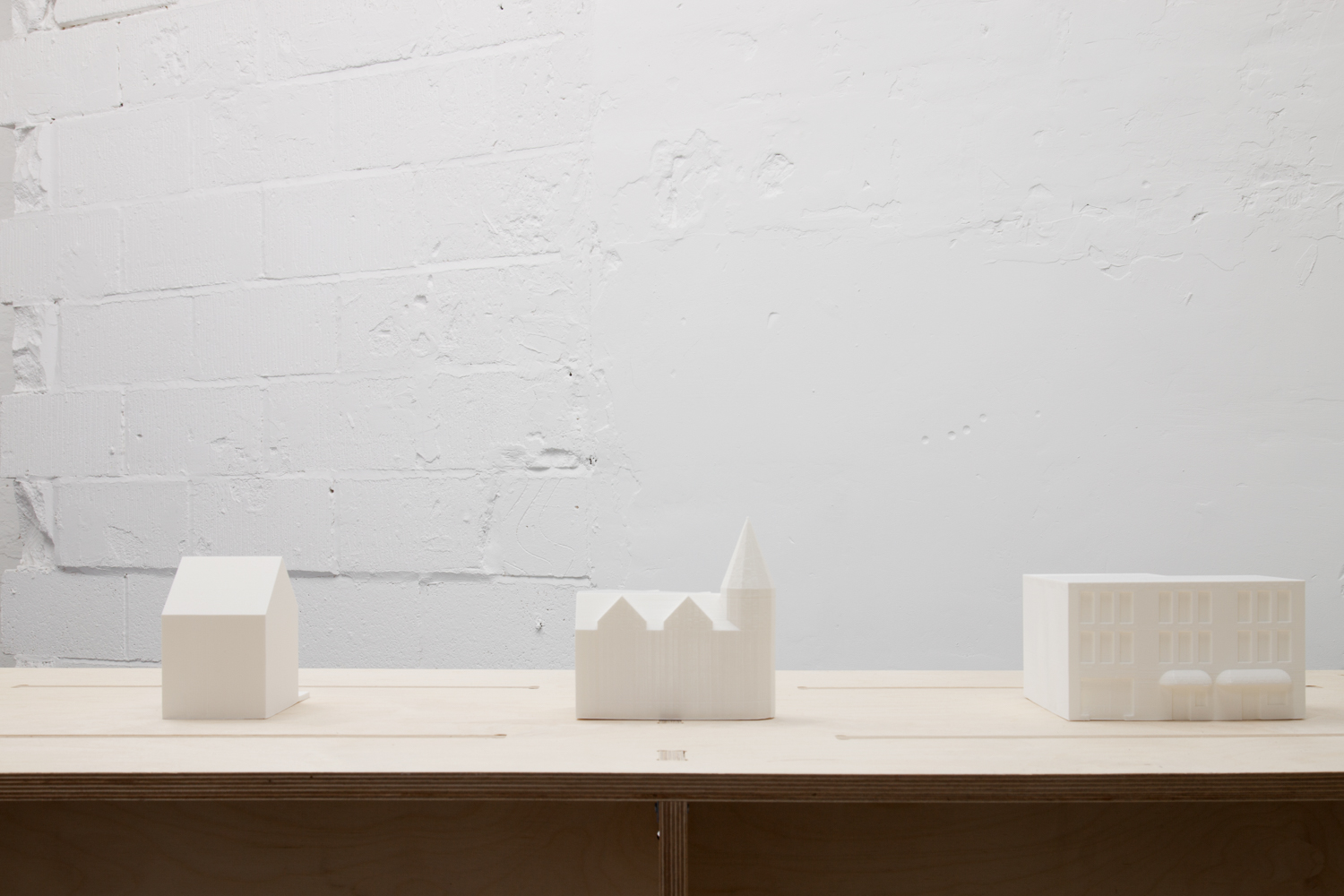
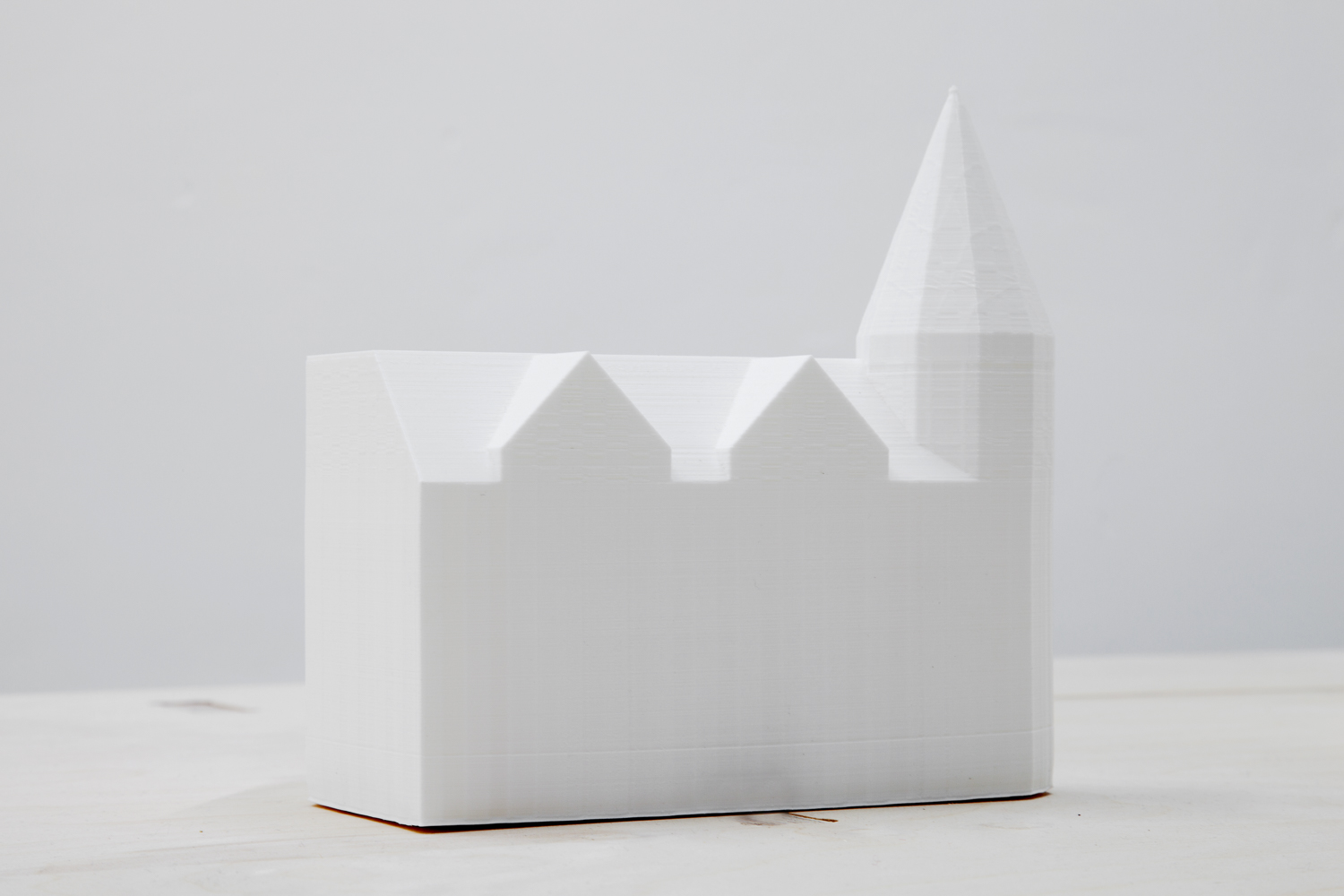
The Nightingale Club’s history centres on narratives of migration and erasure. From a terraced house to an ex-working men’s club, its previous sites faced compulsory purchase orders and rejected applications for expansion. Modelled after a gay village, the club’s third iteration on Thorp Street was purchased by Birmingham Hippodrome in 1994 following ongoing efforts, and was subsequently demolished for their expansion. Merging recollections, personal ephemera and archival material, If Memory Serves re-positions collective narratives upon the site of club’s former foundations.
To its members, the club was an extension of home, but women could not obtain membership until the mid-1990s. According to Anne Ellen, entry “depended on the guards at the door, but it also depended on the members. There were guys that liked women coming in, but there were also guys that didn’t like women coming in because they felt like it was their space – it was quite difficult to integrate.”
The exhibition’s title is taken from If Memory Serves: Gay Men, AIDS, and the Promise of the Queer Past, Christopher Castiglia and Christopher Reed’s argument for queer memory as an activist tool. The display advocates the role of memory in remedying fractured queer narratives, while forming an understanding between cross-generational experiences and the ongoing displacement of our queer ecosystems.
The exhibition is accompanied by a programme of workshops, through which participants are invited to record Birmingham’s queer spaces, both past and present. This research will form a publication delivered in collaboration with SHOUT Festival of Queer Arts and Culture in November 2019.
Photos by John Fallon